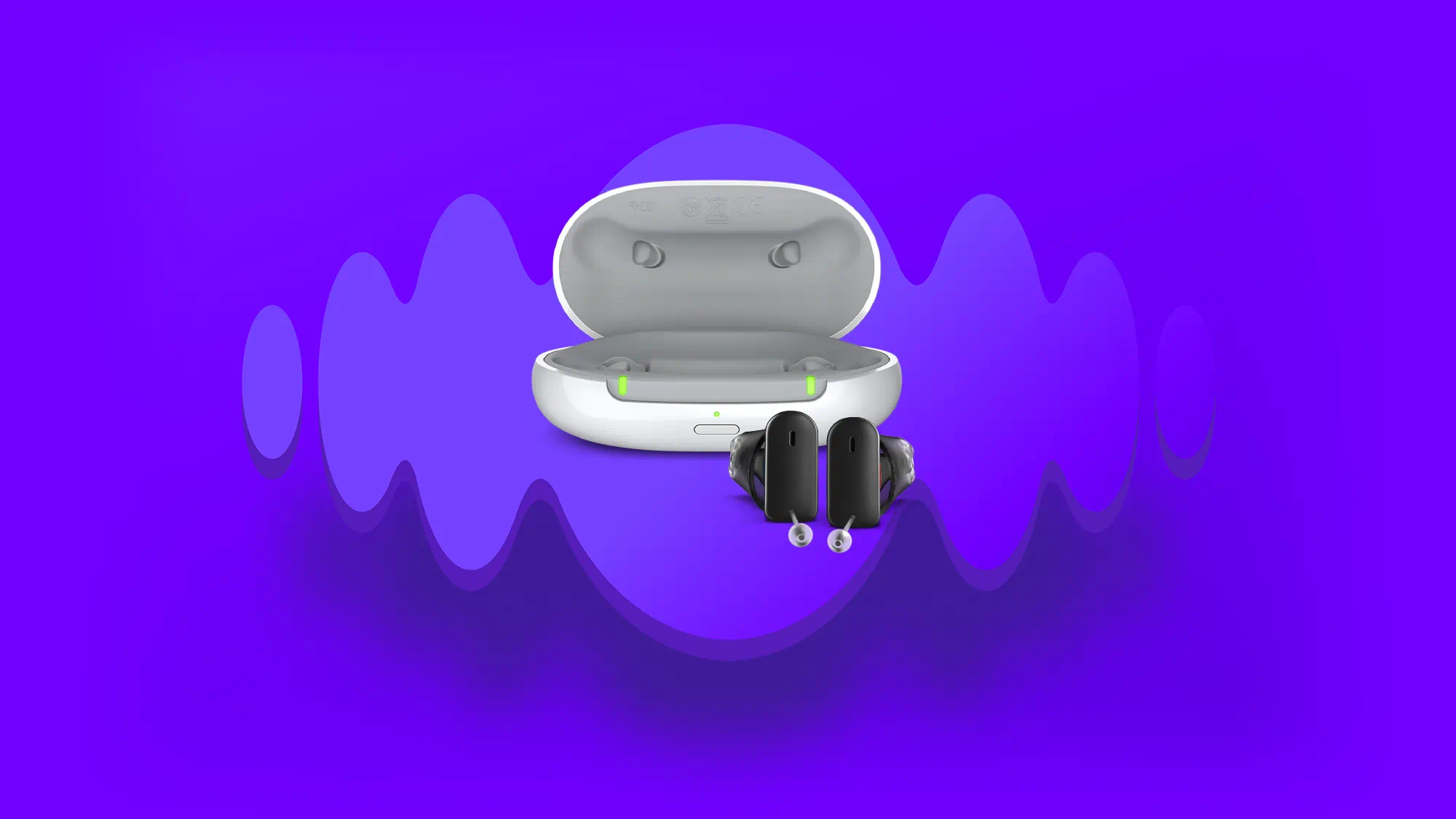
Best Hearing Aids for Sensorineural Hearing Loss
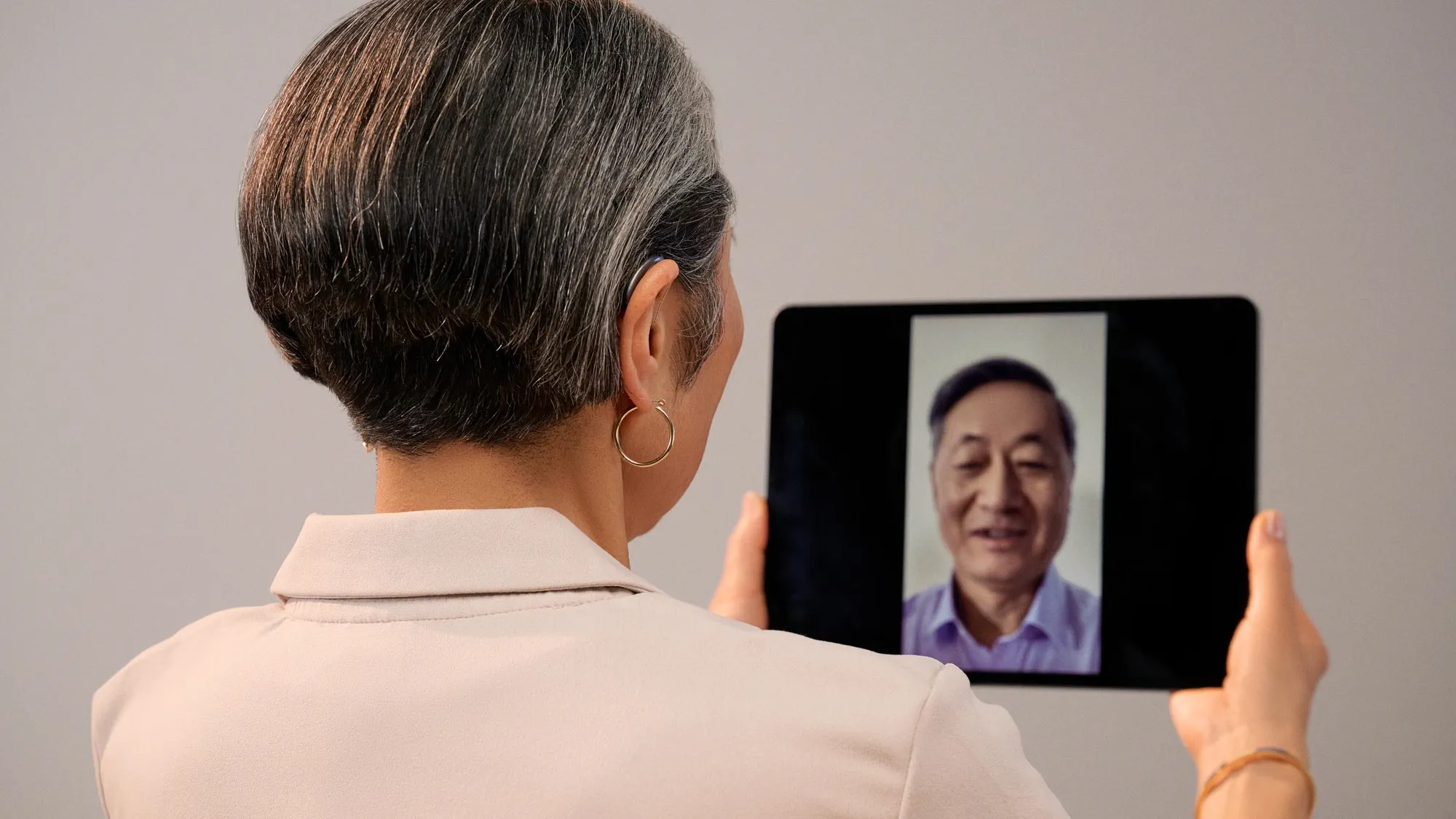
What to Expect From Hearing Aids
What Hearing Aids Can - And Can’t - Do for SNHL
Sensorineural hearing loss is permanent, which means it can’t be reversed once it occurs. However, hearing aids can amplify speech and sounds you’re missing to help you hear your best.
Not only do hearing aids keep you in the conversation with those you love, they help protect your overall health and wellbeing, too.*

Why Hearing Loss Often Feels Like a Clarity Issue
While people with untreated SNHL can hear that someone is speaking, they often still struggle to make out the words.
In speech, some sounds are low-pitched, like the vowels A, E, I, O, and U. Then, some consonants are higher-pitched, like S, F, Th, Sh, Ch, K, P, and H.
Vowels let you know that someone is talking, but consonants make words different from each other. If you can’t hear those higher pitches, it’s harder to understand what’s being said.
Why Conversations in Noise Are Still Hard
If you’re having problems hearing consonants clearly, background noise in louder environments like restaurants and parties can create even greater hearing challenges.
Background noise can make it hard to focus on the conversation - especially if you don’t have a hearing aid that’s equipped to handle noise properly.
It’s important to invest in hearing aids with enhanced features, such as background noise reduction and speech boost. They help you focus on your conversation - not the noise.

What to Expect From Hearing Aids With SNHL

Hearing aids make sounds louder as they enter your ear.
The tiny hair cells in your inner ear sense the stronger sounds and turn them into signals your brain understands.
When more of your ear hair cells are damaged, hearing loss gets worse.
This means the hearing aid has to work harder to help you hear.
Advanced features
While hearing aids can’t restore hearing to pre-hearing loss levels, many devices now come equipped with incredible speech boosting and noise reduction features so you can hear words more clearly.
Why Hearing Aid Fitting Matters More With SNHL
When it comes to treating permanent hearing loss like SNHL, the proper hearing aid fit is key.
Because SNHL affects how the inner ear and hearing nerve process sound, every person’s hearing loss is different. That’s why a one-size-fits-all device is rarely the best choice.
Here’s why a hearing aid fitting is a must when you have SNHL:
Ensure the right fit for your hearing needs
A hearing professional who is trained to perform detailed hearing tests and fit hearing aids can make sure you’re getting the proper sound amplification to match your exact hearing needs.Keep your brain engaged
The right fit helps to protect your remaining hearing ability and keeps your brain actively processing sound - the way it was meant to.*Experience a more natural fit
Custom fittings also ensure your hearing aids feel comfortable and that sound feels natural and not distorted.Get continued care and support
Ongoing care and guidance, adjustments, and maintenance help you adapt to amplified sound and get the most from your hearing aids over time.
How to Choose the Right Hearing Aid for Your SNHL
Treat Your SNHL With the Right Hearing Aids
Match to your level and configuration of hearing loss
The first thing to consider when buying a hearing aid is your level of hearing loss, which could be mild, moderate, severe, or profound.
While some hearing aids can treat the entire spectrum of hearing loss, many are made for specific levels. Some may treat only mild-to-moderate or just severe loss, for example.
Your hearing care specialist at HearUSA can help you determine what hearing aids are available to best treat your individual hearing needs.
Match to your lifestyle
Choosing hearing aids that are right for your lifestyle and within your budget can help you continue living your best life and hearing your best with less stress. Ask yourself:
- Do I like quieter environments, such as relaxing at home, watching my favorite shows, or listening to the birds outside in nature?
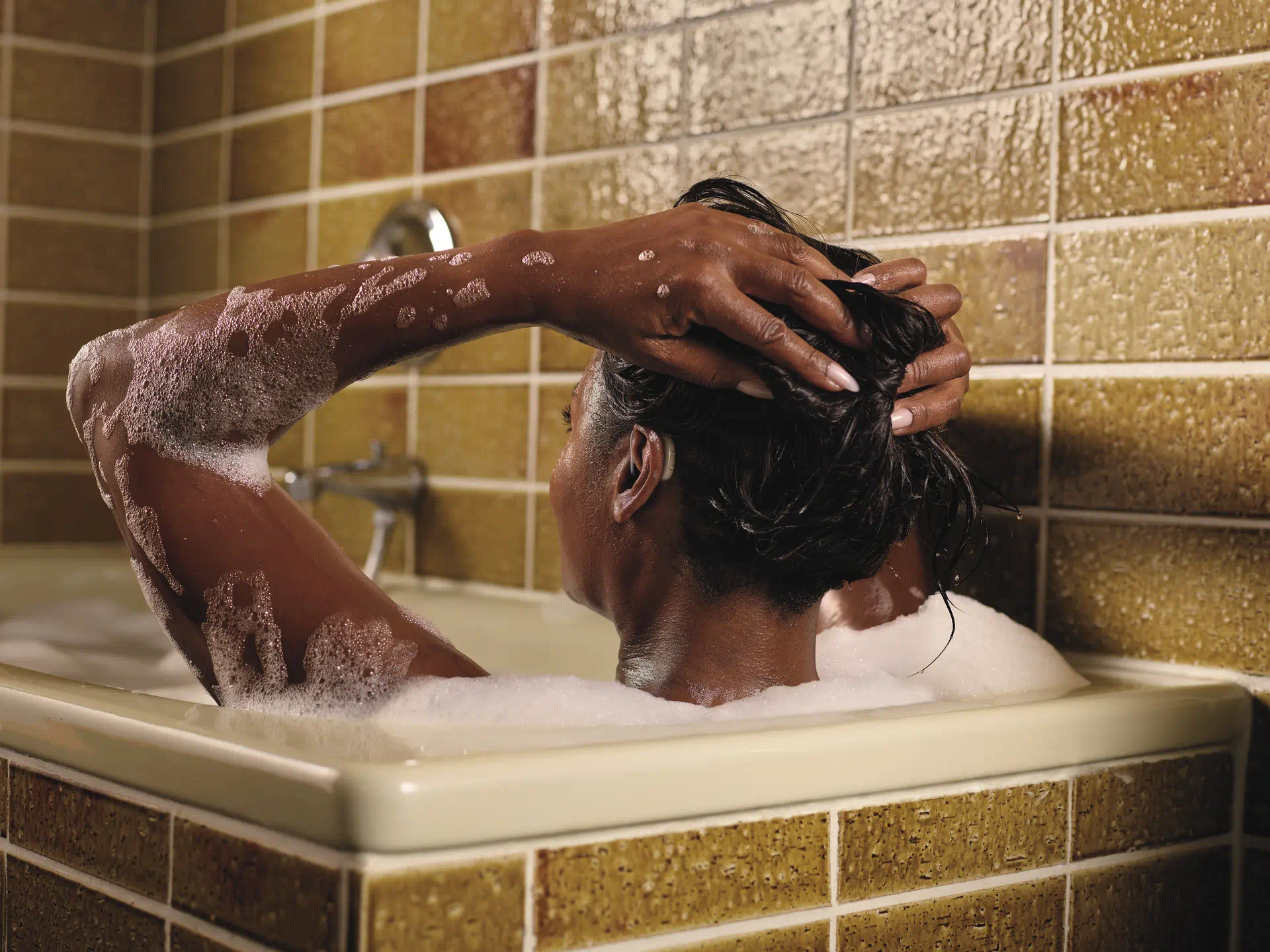
- Am I an active person (runner, biker, or swimmer, for example) who needs a more durable or water-resistant hearing aid?
- Am I a social butterfly? If so, do I want to hear less background noise and be more focused on conversations in noisy environments?
- Does my career require me to have a more advanced hearing aid, or not? (Keep in mind that musicians, athletes, and office workers, for example, may have different hearing needs.)
- What amount can I comfortably spend on hearing aids so I’m staying within my budget?
These basic questions can help you and your hearing care specialist narrow down your hearing aid choices. Getting the right amount of technology can support all aspects of your life.
Match to your preferences for appearance and size
Hearing aids come in different styles, each with its own balance of size, power, and visibility. What matters most to you? Is it appearance, comfort, or performance, or all three?
Here are the best types of hearing aid for sensorineural hearing loss and how they compare:
- Completely-in-the-canal (CIC) models are tiny and nearly invisible, as they disappear inside the ear. These are ideal if you prefer a discreet look. They have limited power due to their small size but provide a natural hearing experience for those with mild-to-moderate hearing loss.
- Receiver-in-canal (RIC) devices sit behind the ear while the receiver (speaker) fits inside the ear via a thin wire. While they’re slightly more visible than in-the-ear devices, they tend to disappear behind the ear. There’s also more choices in color and design. Built with more technology, RICS work for a bigger range of hearing loss. While some work best for mild to moderate hearing loss, some also work for profound loss, too.
- Behind-the-ear (BTE) hearing aids are slightly larger and provide the most power and features, making them a great choice for more severe hearing loss. While they’re more visible than other hearing aids, they’re sleeker than ever before and can help you hear your best in any situation.
Match to your comfort with tech
Another thing to consider is how comfortable - or uncomfortable - you are with modern technology.
Today’s hearing aids range from simpler automatic models that auto-adjust settings to your surroundings to devices you can control with a smartphone app.
If you prefer an easy, hands-off experience, choose an automatic hearing aid. If you like having more control over the settings, choose an app-connected or customizable device for flexibility.
You ideally want to choose the level of technology that fits your comfort and lifestyle and delivers the most natural and clear hearing experience.
Find your nearest hearing center.
Top Hearing Aid Features for SNHL
Features That Matter Most in Hearing Aids for SNHL
While any hearing aid is better than no hearing aid, it’s important to get the most amount of technology you can afford.
More features give you the ability to customize your best hearing experience. Here are some of the top features for SNHL:

Speech clarity in noise
Being able to hear and participate fully in conversations matters each and every day.
Advanced features like directional microphones, AI-driven noise reduction, and speech enhancement technology help you focus on the voices that matter most - not the background noise.

Connectivity for calls, media, and control
Today’s hearing aids can keep you seamlessly connected to everything you enjoy.
With Bluetooth technology like Made for iPhone®, ASHA for Android™, or universal streaming, you can stream phone calls, music, podcasts, and TV directly through your hearing aids.

Rechargeable vs. disposable batteries
Your lifestyle can help determine which power option works best for you.
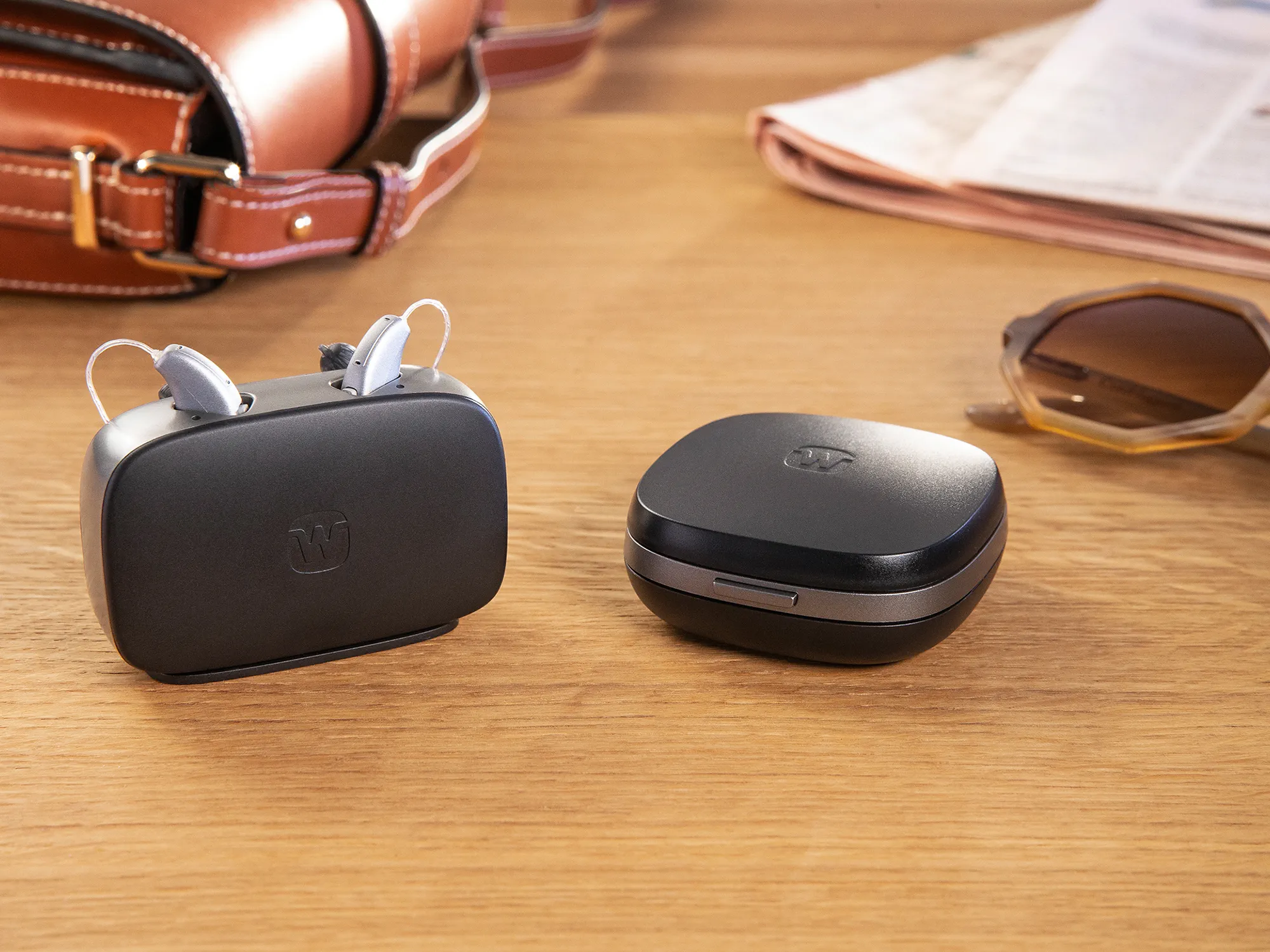
Rechargeable hearing aids offer convenience and are great for those who don’t want to change small batteries. Just charge overnight while you sleep and go without worry the next day.
Hearing aids that use disposable batteries can be a good fit if you prefer the simplicity of quick replacements anytime you run out of power.

Sound quality and feedback control
Modern hearing aids are designed to deliver a natural and comfortable listening experience. But hearing aids of the past often came with quirky noises.
Anti-feedback systems prevent the whistling or squealing that older models were known for, giving you clear, uninterrupted sound throughout your day.
Help for tinnitus
If you live with ringing or buzzing in your ears, hearing aids with tinnitus relief features can make a real difference.
Built-in masking sounds or soothing background tones help reduce the distraction of tinnitus, allowing you to focus on and enjoy who and what you want to hear.
5 Best Hearing Aids to Treat SNHL
5 Best Hearing Aids for Sensorineural Hearing Loss

You may also want to consider:
#4 Phonak Audéo Lumity L90-R
This RIC hearing aid comes equipped with a speech enhancer, dynamic noise cancellation, and motion sensor hearing, which means it senses your environment and adapts to it automatically.
#5 Oticon Real 1 miniRITE R
This discreet behind-the-ear RIC delivers crystal-clear clarity for your hardest-to-hear sounds. It’s an excellent choice for both appearance and performance, featuring rechargeability and smartphone controls.
Understanding Costs, Insurance, and Where to Shop
Budget, Insurance, and Where to Buy
Before you purchase hearing aids, educating yourself on cost, knowing your budget and insurance benefits, and researching financing options can help ensure you’re getting the best deal and device.
There are 5 main things that influence the cost of hearing aids.
1. Technology level
The more advanced the technology, the higher the price. But that also means more features and often an improved hearing experience.
Models with Bluetooth, smartphone apps, or rechargeable batteries are generally priced higher than those with disposable batteries or manual controls.
Premium models include features like AI speech enhancement, automatic environment adjustments, and advanced noise reduction. Basic models still improve hearing but have fewer features and more manual controls.
2. Style and design
3. Customization and fitting
Depending on where you go for care, personalized fittings, professional hearing tests, and fine-tuning by a hearing care specialist can increase costs.
However, your hearing consultation, screening, and follow-up hearing aid care is complimentary with HearUSA, with no strings attached.
4. Brand and warranty coverage
5. Service and follow-up care
When you buy from a professional hearing care provider like HearUSA, the price often includes follow-up visits, cleanings, adjustments, and long-term support, which are important for maintaining performance and comfort.
Some hearing companies do not include this as part of their package, so be sure to research the costs that may come in addition to the actual hearing aids.
Insurance Coverage and Financing Options
Insurance coverage for hearing aids varies by state and depends on your type of plan. Some plans, such as Medicare Advantage, may offer some benefits, while others may not.
The good news is that HearUSA will work with your insurance company to find every possible discount. We also offer stress-free financing options and payment plans to make hearing aids more affordable.
You can also use your flexible spending account (FSA) or health savings account (HSA) to cover hearing-related expenses tax-free.

Where to Buy: Audiologist vs. Online vs. OTC
- 1.
Hearing care specialist
Buying through a hearing care specialist ensures you get a proper hearing test and diagnosis, personalized fitting, and ongoing support. - 2.
Online retailers
Online retailers may offer lower prices but usually require you to handle hearing aid adjustments and set up yourself. - 3.
Over-the-counter (OTC) hearing aids
Over-the-counter (OTC) hearing aids in stores and online are designed for adults with mild to moderate SNHL and can be budget-friendly.

FAQs
Frequently Asked Questions
What is sensorineural hearing loss?
Sensorineural hearing loss (SNHL) is the most common type of permanent hearing loss, caused when things like aging, certain illnesses, and noise exposure damage the inner ear or auditory nerve.
This type of hearing loss can also be sudden, which requires immediate care from a hearing care specialist.
Will a hearing aid help with sensorineural hearing loss?
What’s the best type of hearing aid for SNHL?
The best type of hearing aid for SNHL is one that is equipped with features that focus on speech clarity and background noise reduction.
Completely-in-canal (CIC), receiver-in-canal (RIC), and behind-the-ear (BTE) devices are often top picks for those who need help hearing every word clearly.
Where can I buy SNHL hearing aids?
Sources:
Johns Hopkins Medicine: The Hidden Risks of Hearing Loss: hopkinsmedicine.org/health/wellness-and-prevention/the-hidden risks-of-hearing-loss
Wikipedia: https://en.wikipedia.org/wiki/Sensorineural_hearing_loss
ASHA: https://www.asha.org/public/hearing/sensorineural-hearing-loss/