
Can You Wear Hearing Aids With Glasses?

Compatibility and Concerns
Yes - You Can Wear Hearing Aids With Glasses
You’re not alone if you’re unsure of how to wear hearing aids and glasses together. There are many misconceptions about how the two fit - or don’t fit - together. The good news? They’re compatible.
Just like putting together a puzzle, all it takes to wear eyeglasses and hearing aids together is fitting the pieces together in just the right spots
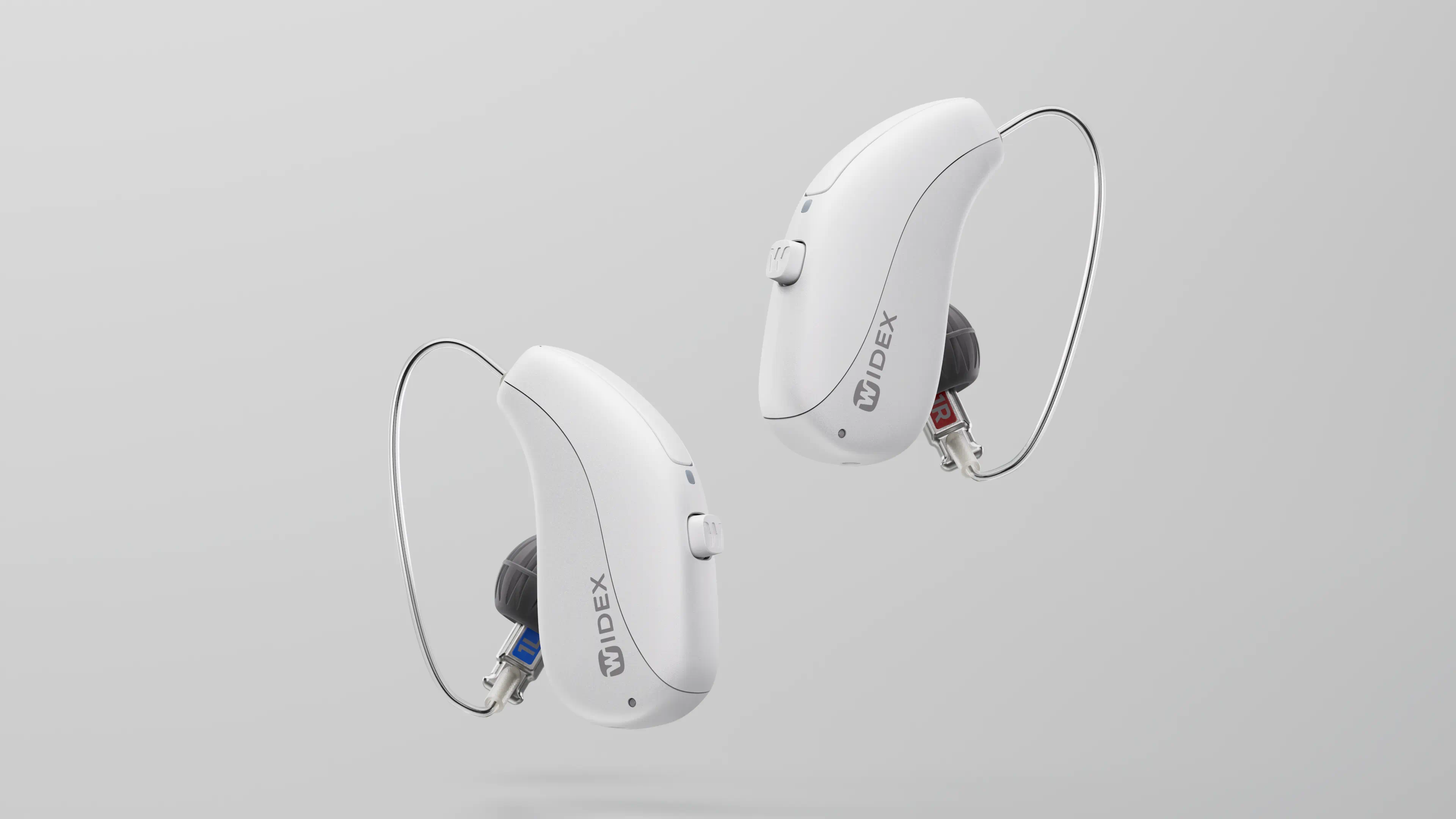
Today’s hearing aids are modern technology marvels with slim, ergonomic shapes that leave room for glasses. This means your devices won’t battle for position as you move through your day.

Common Concerns and Misconceptions
- 1.
Their glasses will knock their hearing aids off or knock against them and cause feedback.
- 2.
Having two items sitting behind the ear will be uncomfortable.
- 3.
They may have to choose to wear one and not the other.

Comfort Expectations for New Users
Just like when you first started wearing hearing aids, there’s an adjustment period when pairing them with glasses. It might feel "busy" behind your ears for a few days.
However, after wearing both items together regularly, you’ll get used to the feeling and most likely completely forget you’re wearing both devices at the same time.
How to Wear Hearing Aids and Glasses Together Comfortably
Get the Perfect Position and Fit
Wearing both devices is easier than you might think. In fact, 60% of hearing aid wearers also wear glasses, showing it can be done.1
With the right technique, your glasses and hearing aids can sit side-by-side without any pinching or slipping throughout the day. Follow these 3 tips:
- 1.
Properly position both items behind the ear.
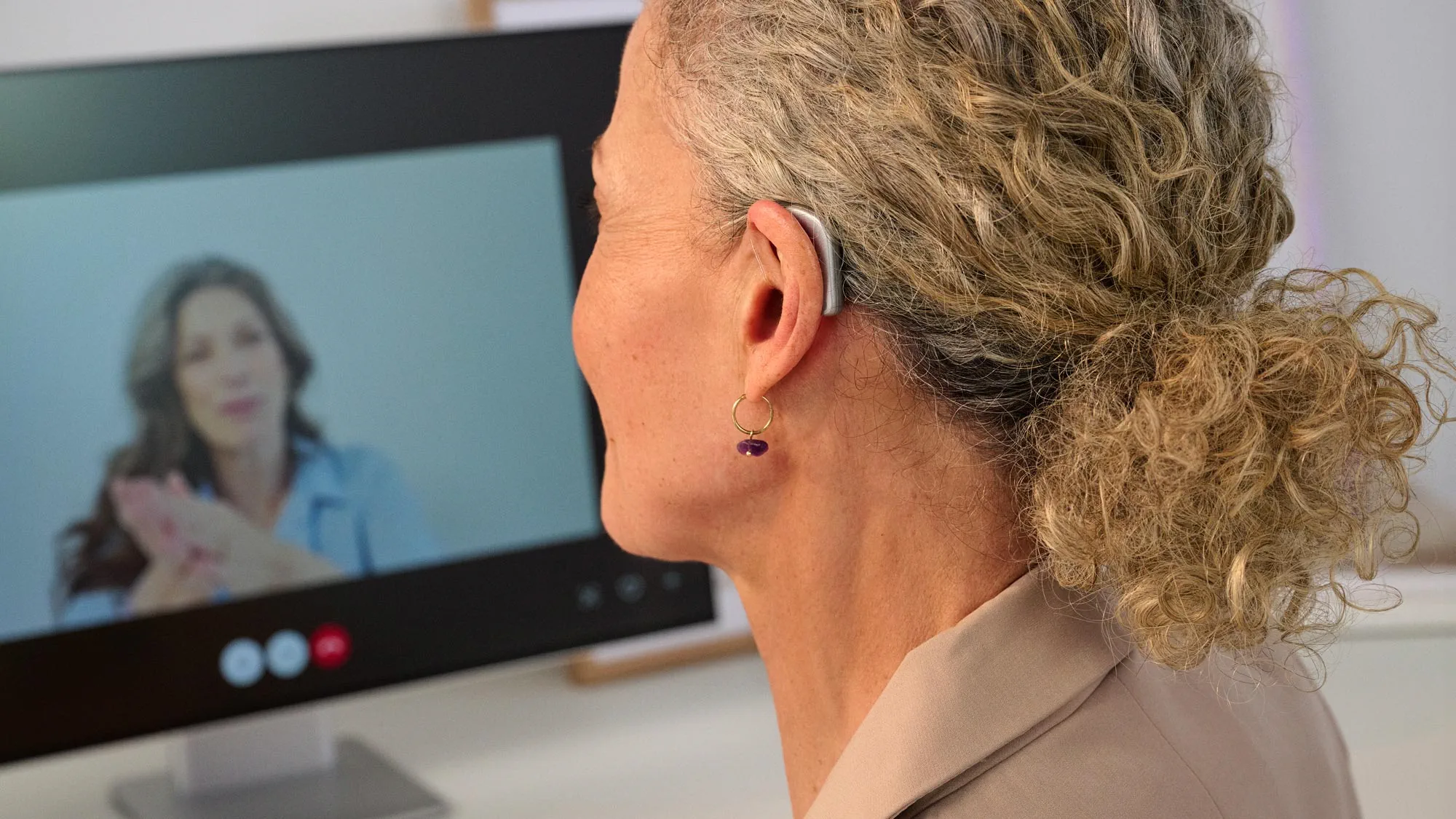
Start by always putting your glasses on first. Then, put your hearing aids between the arm of your glasses and your outer ear.
Both devices will be secure, preventing your glasses from knocking your hearing aids loose.
Take time to make adjustments. A position that works for some may not work best for you.
- 2.
Adjust your glasses frames for comfort.
If your frames feel too tight, an eyecare professional can adjust the temples (arms) of your glasses. This can help create space for your hearing aid to sit comfortably. - 3.
Get professional fitting support.
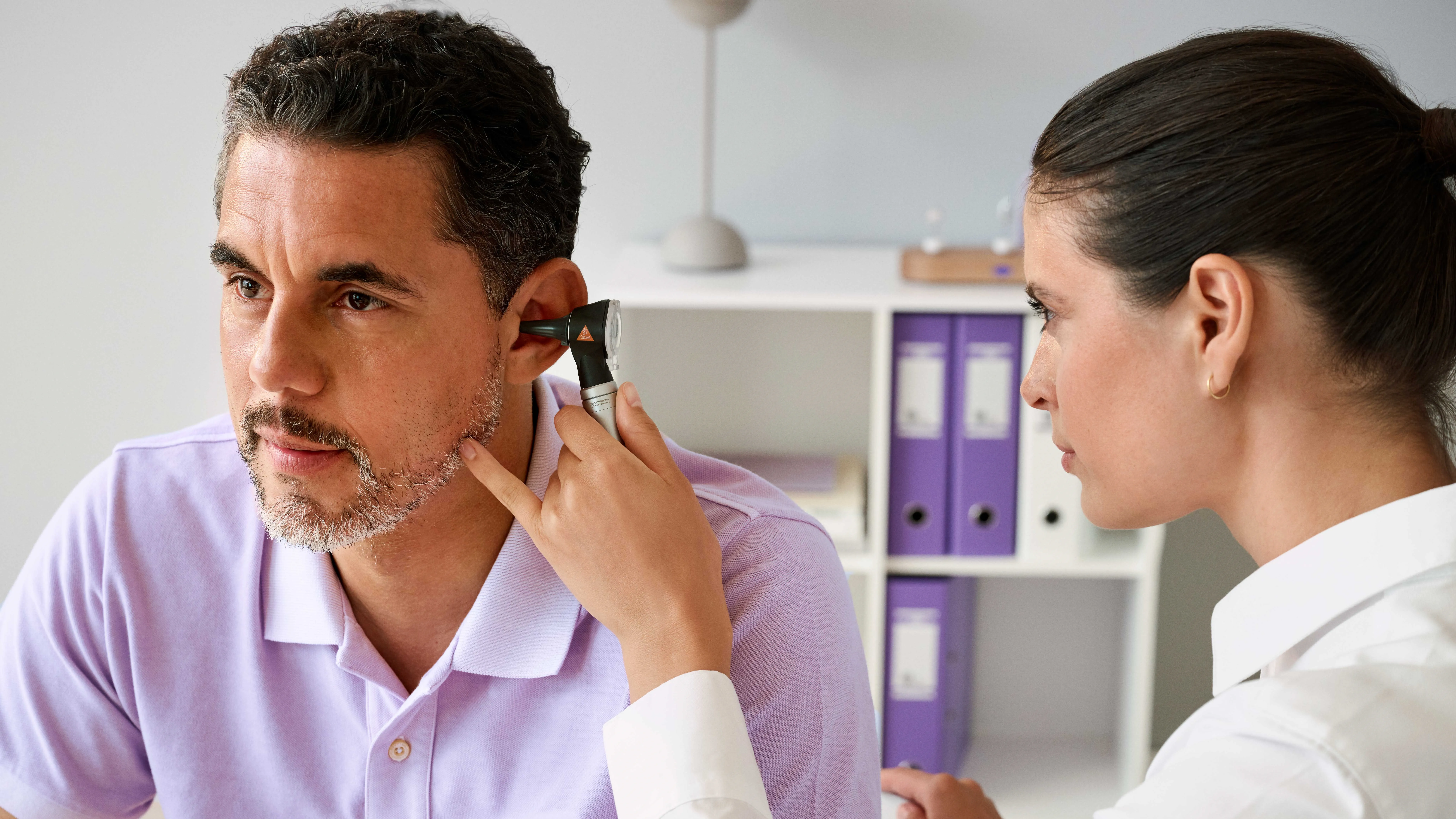
Your hearing specialist can fine-tune the hearing aid fit during your appointment. They can make sure hearing aid parts don't rub against your glasses.

Behind-The-Ear Hearing Aids With Glasses: What to Expect
BTE Style Advice
Behind-the-ear (BTE) hearing aids offer powerful benefits for those with hearing loss. The good news is you can wear BTE devices even if you wear glasses.
Modern, slim BTE hearing aids are designed to share the narrow space behind your ear with your glasses.
With proper positioning, BTE hearing aids are comfortable with glasses. After you put on your glasses, place your hearing aid between the arm of the glasses and your outer ear.
Keep in mind that choosing glasses with thinner arms can help ensure a more comfortable fit alongside your hearing devices.
Receiver-In-Canal (RIC) Considerations
Just like BTE hearing aids, Receiver-In-Canal (RIC) devices are now designed to be small and compact. This makes wearing them with glasses a non-issue.
RIC hearing aids have a tiny, flexible wire that slides over the ear. It doesn’t interfere with glasses because it takes up little room, making it easy to wear both.
Alternative styles for glasses wearers
If you find behind-the-ear styles bulky, you might consider custom in-the-ear or completely-in-canal devices. These sit inside your ear, leaving the space behind your ear completely free for your glasses.
Your hearing care specialist can help you find a hearing aid that works for your level of hearing loss and your lifestyle.
Tips to Prevent Pressure, Irritation, and Slipping
Tips for Worry-Free, All-Day Comfort
Choosing lightweight frames
Preventing friction behind the ear
Managing sweat, movement, and daily wear

Choosing the Best Hearing Aids for Glasses Wearers
Find the Best Compatible Hearing Aid
Not all hearing aids are shaped the same way. Selecting a style that complements your specific glasses frames is the best way to ensure long-term comfort and clear sound.
For BTE hearing aids, look for a thin design with rounded edges and flexible wires. These "low-profile" designs are shaped to fit your ear without bumping into your glasses.
As a reminder, and if possible, choose glasses with a thinner arm (“temple). They’ll take up less space behind your ear.
A hearing specialist can help you understand the benefits of each type of hearing aid, from BTE to ITE, and how to wear each one with glasses.
They can also test different hearing aid styles with your glasses. This can help you find a solution that feels weightless and stays secure regardless of eyeglasses style.

Try Hearing Aids for Free!
FAQs
Frequently Asked Questions
Are behind-the-ear hearing aids comfortable with glasses?
Can glasses cause hearing aid feedback?
Should I put on glasses or hearing aids first?
Are in-ear hearing aids better for people who wear glasses?
What if my hearing aids slip with glasses?
Sources:
1 Deaf Vibes: 14 Best Glasses to Wear With Hearing Aids for Comfort and Style (June 4, 2024): deafvibes.com.
*Terms Apply