How we can help

Ask an Expert: Are CROS Conduction Hearing Aids Right for Single-Sided Deafness?

CROS hearing aids help people with single-sided deafness reconnect with sounds from all directions. Discover how this technology works and how it can enhance your everyday communication with confidence and ease.
Published 4/21/2026,
Updated 4/21/2026
2 min read
Hearing aids
Dinner with friend while wearing CROS hearing aids

Q: What Is Single-Sided Deafness?

Sabrina Raineri: Single-sided deafness (often called SSD) happens when one ear hears normally or close to normal, but the other ear has very little or no usable hearing. This can make it difficult to tell where sounds are coming from or to hear someone speaking, especially in noisy places like restaurants.

We naturally use both ears to make sense of which direction sounds are coming from. When we have hearing in only one ear, a “head shadow effect”1 occurs, meaning the head blocks certain speech sounds from reaching the better ear.

Get the sound from your phone directly into your hearing aids
Balanced, effortless communication is possible, even with hearing in only one ear.

SSD can be caused by a variety of factors, such as sudden changes in hearing health, viral infections, head trauma, or even a condition affecting the auditory nerve2. When the hearing in one ear changes, the brain no longer receives sound equally from both sides, creating an imbalance that can influence everyday communication, safety, and quality of life.

The CROS system reduces the impact of this by giving you access to sound from both sides, making communication feel easier and more balanced.

Find your nearest hearing center.

Q: What Are CROS Hearing Aids and How Do They Work?

Sabrina Raineri: CROS stands for Contralateral Routing of Signal. These hearing aids are designed specifically for people with single-sided deafness.

The system includes two small devices:

  • 1. Microphone

    The microphone is worn on the ear with the poorer hearing ability; it picks up sound coming from that side and then sends the sound across, so important sounds aren’t missed.

  • 2. Receiver

    The receiver is worn on the other ear. It delivers the routed sound naturally, helping you hear more clearly and feel more balanced in everyday conversations.

Modern CROS hearing aids are discreet, comfortable, and connect to smartphones and accessories for extra convenience.
CROS Hearing aids allow you to gather the whole family to watch tv together
The right hearing support can make shared experiences like TV time more enjoyable and less tiring.

Q: Who Is a Good Candidate for CROS Hearing Aids?

Sabrina Raineri: People who:
  • Have normal hearing in one ear and little or no hearing in the other.
  • Don’t have active middle ear infections or ongoing balance concerns.
  • Want a non-surgical, discreet, and easy-to-use solution.
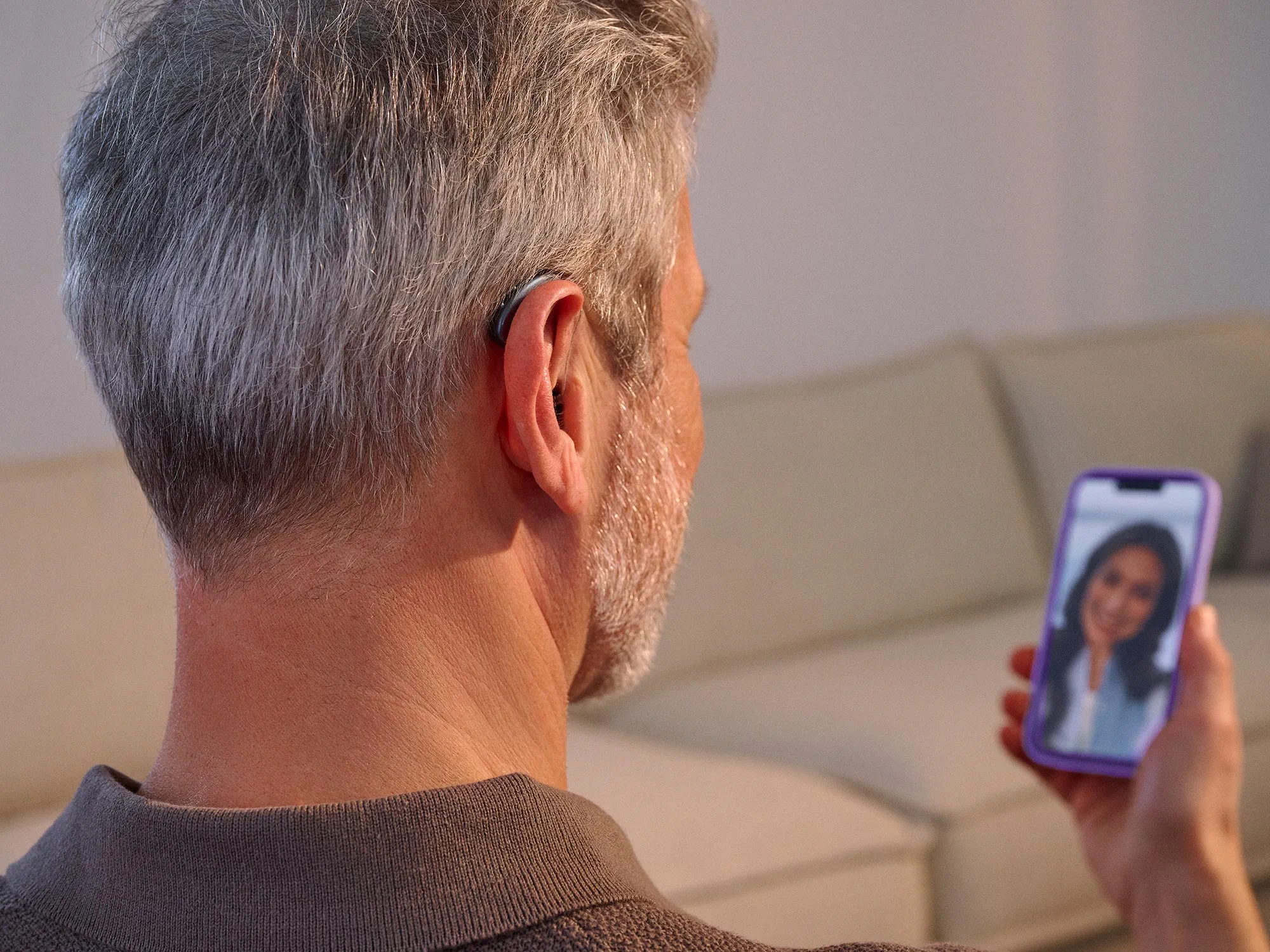
signia pure hearing aids
CROS hearing aids look identical to standard hearing aids.
CROS hearing aids often look like standard hearing aids. Your hearing care provider will do a comprehensive hearing assessment and may offer you a chance to trial a CROS system before purchasing. Many people notice an improvement in how they can follow conversations and feel more aware of their surroundings3.

Q: What Are the Pros and Cons of CROS Hearing Aids?

Sabrina Raineri: Here’s a clear look at the pros and cons of CROS hearing aids to help you decide if they’re right for you.

The benefits

  • Improved sound quality
  • Better awareness of where sounds are coming from
  • More balanced listening  
  • Discreet and comfortable modern designs
  • Advanced wireless technology 
  • Better safety and confidence in everyday communication 

Possible drawbacks

  • It may take time for your brain to adjust to the new listening experience 
  • Slightly shorter battery life because of wireless connectivity
  • It doesn’t restore true two-ear hearing
  • It may be difficult to tell the direction that background noise is coming from in some environments. Your hearing care professional can suggest strategies to manage this

Q: What’s the Difference Between CROS and BiCROS Hearing Aids?

Sabrina Raineri: The difference depends on your better-hearing ear.

CROS hearing aids are used when one ear hears well, and the other has no hearing.

BiCROS hearing aids are used when there is no hearing in one ear and some hearing loss in the other. A BiCROS system combines sound from the deaf side with amplification for the other ear, providing an extra boost for both clarity and balance. 

Q: Can CROS Hearing Aids Restore Hearing?

Sabrina Raineri: No, CROS hearing aids don’t restore hearing. Instead, they help your brain access sound from the poor hearing side by routing it to your other ear. You’ll still hear with one ear, but with awareness and balance from both sides, everyday communication becomes far easier.
Friends having fun, playing the guitar, wearing CROS hearing aids
CROS hearing aids blend seamlessly into everyday life, so you can stay focused on the conversation, not the device.

Q: How Do I Know if CROS Hearing Aids Are Right for Me?

Sabrina Raineri: If you have one ear with normal hearing and difficulty hearing in the other ear, CROS hearing aids could make a big difference. They’re particularly useful if you find yourself missing speech on one side or constantly needing to turn your head to hear.

Together with your hearing care provider, you can decide whether a CROS or BiCROS system option best suits your hearing and lifestyle needs. 

Q: Why Not Rely on One Ear Only?

Sabrina Raineri: We naturally hear with two ears. This assists us in locating where sounds come from, staying aware of our surroundings, and may help in maintaining balance, as hearing loss and balance are closely interconnected.
Enhance your outdoor adventures, fully engaged in activities like hiking, knowing that every sound is vivid and crystal clear with the help of hearing aids.
Hearing from both sides supports awareness, balance, and sound clarity,  helping your brain stay engaged and active.
In addition, some studies4 have shown that the use of CROS may reduce the lack of sound stimulation reaching the brain and potentially protect the brain by providing enough sound to stay active. 
Book an appointment icon at HearUSA

Make the First Step Towards Better Hearing

Schedule a complimentary hearing assessment at HearUSA to discover if CROS hearing aids are the right hearing care solution for you. Better hearing is within reach, and we’re here to support you every step of the way.
Sources:  

1 Otology & Neurotology: A comparison between wireless CROS and bone-anchored hearing devices for single-sided deafness: a pilot study (June 2015): https://pubmed.ncbi.nlm.nih.gov/25853611/ 

2 Acta Oto-Laryngologica: Etiology of single-sided deafness and asymmetrical hearing loss (April 2017): https://pubmed.ncbi.nlm.nih.gov/28366032/ 

3 European Archives of Oto-Rhino-Laryngology: Clinical effectiveness of wireless CROS (contralateral routing of offside signals) hearing aids (September 2015): https://link.springer.com/article/10.1007/s00405-014-3133-0 

4 Journal of Neurological Surgery Part B Skull Base: Nonsurgical Management of Single-Sided Deafness: Contralateral Routing of Signal (April 2019): https://pmc.ncbi.nlm.nih.gov/articles/PMC6438788/  
Related articles

Friends making music on a couch, with hearing aid chargers nearby
Updated Apr 21st - 3 min read

Rechargeable vs. Battery Hearing Aids: Unpacking the Long-Term Costs and Convenience

This easy-to-follow guide explains the many benefits of rechargeable hearing aids, from simple daily use to their positive environmental impact, so you can see why now might be the perfect time to make the switch.
Hearing aidsHearing aid accessoriesUpgrades and renewals
Content woman glancing sideways, showcasing hearing aids.
Updated Apr 21st - 3 min read

Prescription vs Non-prescription Hearing Aids: What’s the Difference?

Not sure whether prescription or over-the-counter hearing aids are right for you? This side-by-side guide helps you choose the solution that matches your hearing needs and budget.
Hearing aids
Woman wearing Widex hearing aids
Updated Apr 20th - 3 min read

Can Hearing Aids Slow Cognitive Decline and Dementia Risk?

Hearing loss may increase dementia risk, but early intervention with hearing aids helps keep your mind sharp. Learn how to protecting your hearing today supports long-term brain health.
Hearing aidsHearing health

Talk to an expert in one of our hearing centers.

Book appointment

Have questions or need assistance?

Call us 855 252 5312
hearusa center map

Find your nearest hearing center.