
Your Guide to Flying With Hearing Aids

Preparing for Your Flight
What to Do Before Flying With Hearing Aids

Should I Schedule a Pre-Flight Hearing Aid Check?
Can I Wear Hearing Aids on a Plane?
If Traveling Internationally, Should I Pack a Voltage Converter for My Hearing Aid Charger?

How Should I Pack Hearing Aids on Planes?
Prepare a dedicated kit containing:
- Extra batteries, or fully charged power bank or smart charger
- Cleaning tools and spare wax guards
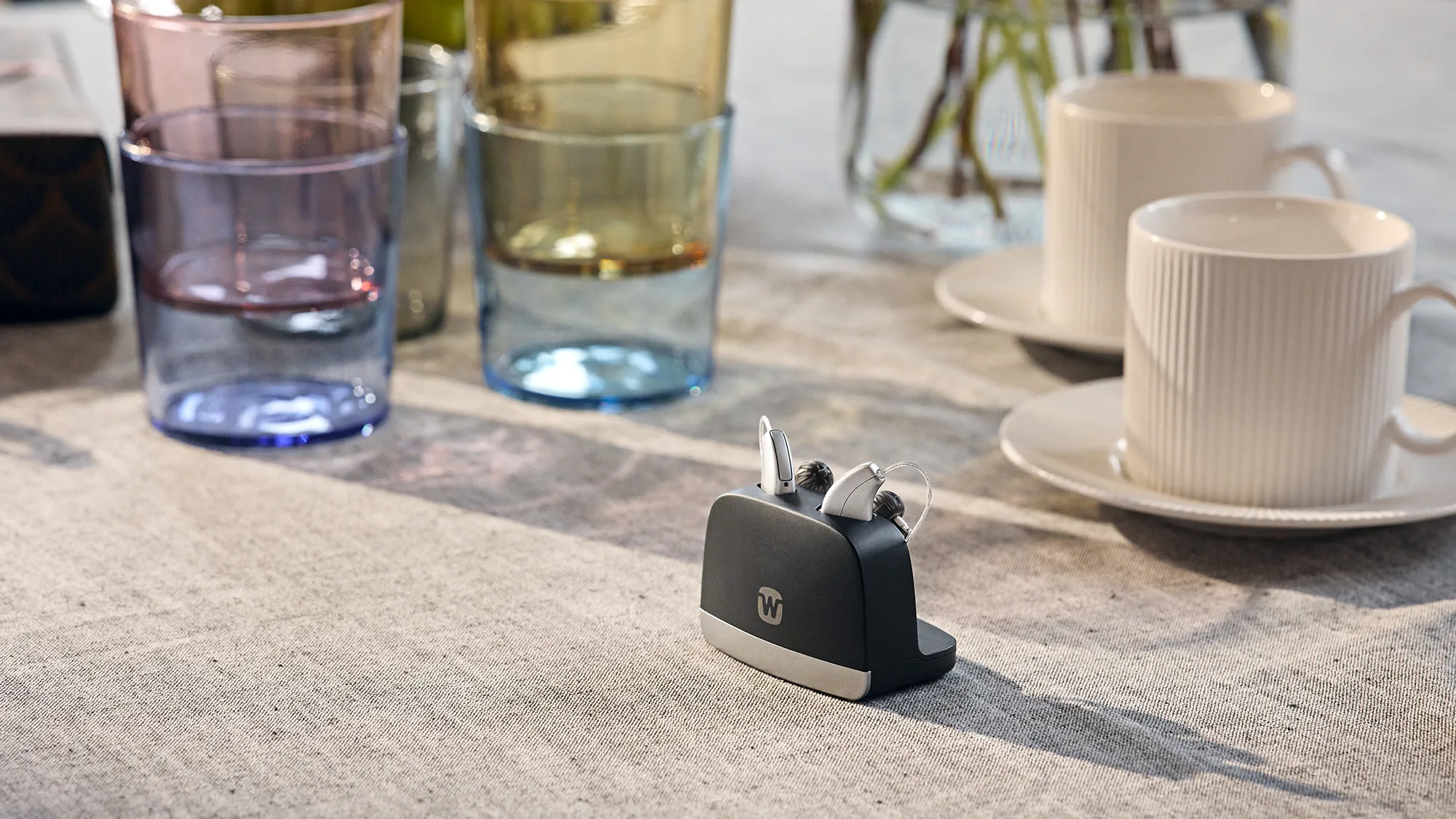
- Protective storage case
- Drying kit or dehumidifier
- A copy of your hearing aid prescription for international travel
- International power adaptor and voltage converter (if required)
Battery Regulations for Air Travel
Can You Take Hearing Aid Batteries on a Plane?

Disposable zinc-air batteries
Disposable hearing aid batteries are permitted in carry-on luggage, but it’s important not to stow them in your checked luggage. Pack extra batteries in your carry-on bag and keep them in their original packaging to prevent accidental activation.
Rechargeable lithium-ion batteries
Rechargeable hearing aids with built-in lithium-ion batteries are allowed on planes. Aviation safety guidelines require that external battery chargers and spare lithium-ion batteries travel in carry-on luggage, not checked baggage.
Pack your charging case, cables, and any portable power banks in your carry-on bag so you can recharge during layovers or delays. Most hearing aid lithium-ion batteries are well within airline safety limits.
At the Airport
Navigating Airport Security With Hearing Aids
Will hearing aids set off security metal detectors?
Airport security screening tips
- Keep your hearing aids in place during screening
- Inform security personnel that you're wearing hearing aids if needed
- Ask for visual cues or written instructions if you need to clarify information or announcements
Utilizing the airport's hearing loop system
Some airports have special hearing loop systems that send announcements straight into your hearing aids, making them clearer to hear. Look for the blue ear-and-“T” signs around check-in areas, help desks, and boarding gates.
To use the hearing loop system, your hearing aid needs to have a telecoil (T-coil) setting. You can check your devices or original packaging for the universal telecoil symbol (stylized ear with a curved line or the letter "T" through it) or check your device program settings for a "T" or "MT" option.
During the Flight
Flying With Bluetooth Hearing Aids
Do Hearing Aids Connect to Airplane Entertainment Screens?
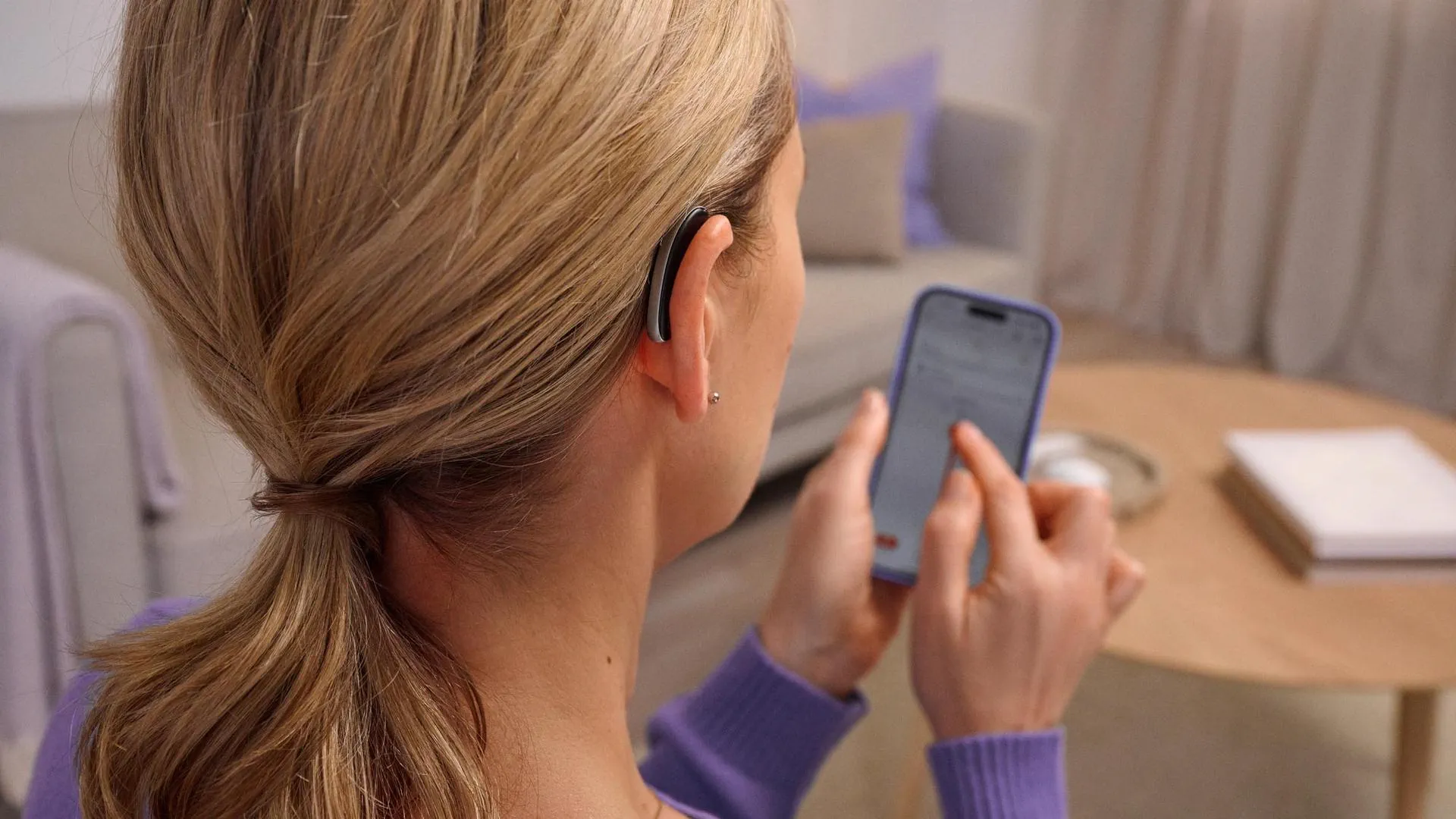
Most hearing aids don’t connect directly to airplane entertainment screens because the systems do not use open Bluetooth pairing. However, you’ll still have plenty of ways to enjoy entertainment throughout your flight.
If you want to stream in-flight audio to your hearing aids, you may be able to use a small Bluetooth transmitter that plugs into the headphone jack. These work with many Made for iPhone (MFi), ASHA-compatible Android, or newer LE Audio hearing aids. Some models won’t pair, so check before you travel.
If streaming isn’t possible, you can wear airline headphones over your hearing aids, ask the crew for higher-volume headsets, turn on captions, or bring your own downloaded entertainment.
How to Manage Cabin Pressure Changes
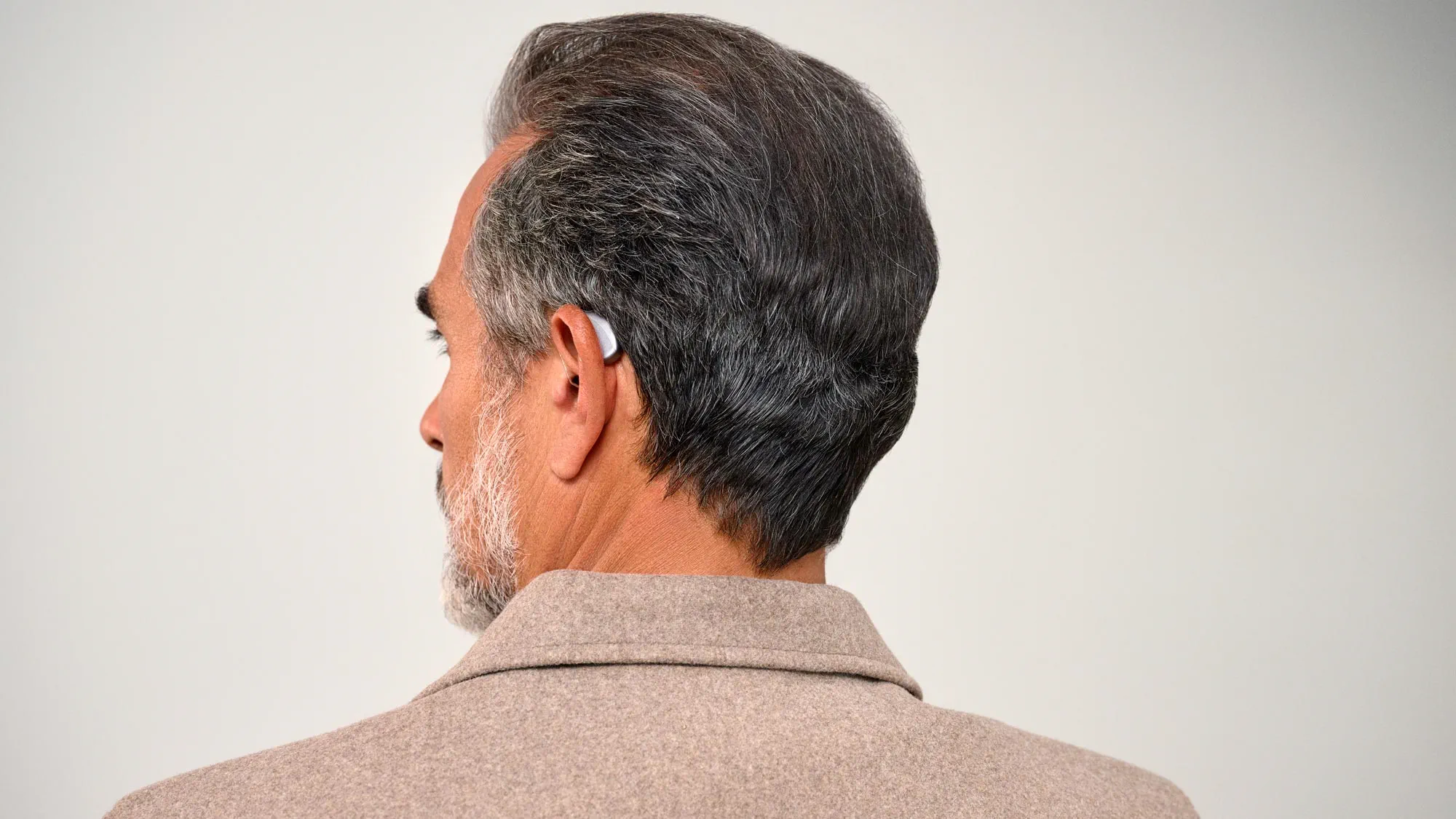
It’s important to note that the type of hearing aid and fitting affects how you experience air pressure changes. Swallowing, yawning, or chewing gum can help equalize the pressure.
If you’re experiencing significant discomfort, try removing your hearing aids to allow pressure to equalize quickly. Removing hearing aids is particularly helpful for people wearing completely-in-the-canal (CIC) or in-the-ear (ITE) models.

Ready to check your hearing?
Research Gate: Improving accessibility for hearing impaired on board the airplane with ASR (December 2014): https://www.researchgate.net/publication/344202690_Improving_accessibility_for_hearing_impaired_on_board_the_airplane_with_ASR