The Future of Hearing Aids: What You Can Expect to See in 2026

The History of Hearing Aids
The Evolution of Hearing Aids So Far
We often compare sleek hearing aids of today to the bulky models of just a few decades back. But did you know hearing aids have been around for centuries?
Hearing aid technology continues to advance at lightning speed year by year. Here’s a look at where hearing aids have been and where they’re going in 2026.


How Far Technology Has Come
- Early hearing aids, known as “ear trumpets,” came about in the 17th century. Though bulky and basic, the metal and wooden funnel designs were able to capture and direct sound.
- In the early to mid-20th century, electric hearing aids powered by carbon microphones and vacuum tubes were better at amplifying sound, yet were large and difficult to deal with.
- The 1950s brought transistors, making hearing aids smaller, lighter, and more practical, while the 1980s introduced analog technology with clearer, customizable sound.
- An incredible breakthrough occurred in 1995 when Oticon created the first digital hearing aid. For the first time, sound waves were converted into digital signals for more accurate sound processing.
- This greatly improved the hearing experience for those with hearing loss and set the stage for faster advancements in technology over the last two decades.
Each breakthrough over the centuries1 has made hearing aids smarter, smaller, and more personal, and 2026 is proving to be a big moment in hearing technology.
Why Hearing Care Is Innovating - and What Users Want Next
Innovation in hearing care is accelerating thanks to rapid advances in digital technology and AI. Today’s users expect more than sound amplification: they want personalized programs, comfort, and devices that fit seamlessly into their daily lives. AI is already helping hearing aids learn from different environments, create custom sound profiles, and automatically reduce background noise.
As people look for more personalization in design and features, next-generation devices will continue to offer smarter, more intuitive support. And with AI and machine learning evolving quickly, hearing aid wearers can expect even more advanced, user-friendly technology by 2026.
New Hearing Technology Coming in 2026
Hearing Aid Innovations to Expect in 2026
That’s not all. Longer battery life for rechargeable devices, improved smartphone controls, and seamless connectivity with other Bluetooth devices are additional features coming in 2026.

AI-driven sound personalization
New devices will provide more personalized experiences thanks to Ai, starting with voice recognition to help you laser focus on speech and the person you’re talking with - making conversations effortless.
Future hearing aids will also predict your listening habits in advance. They’ll continuously learn from your environments and preferences and automatically adjust settings, which means fewer manual adjustments by you.
Better speech clarity in complex environments
Smarter health integration
Seamless connectivity and cross-device syncing
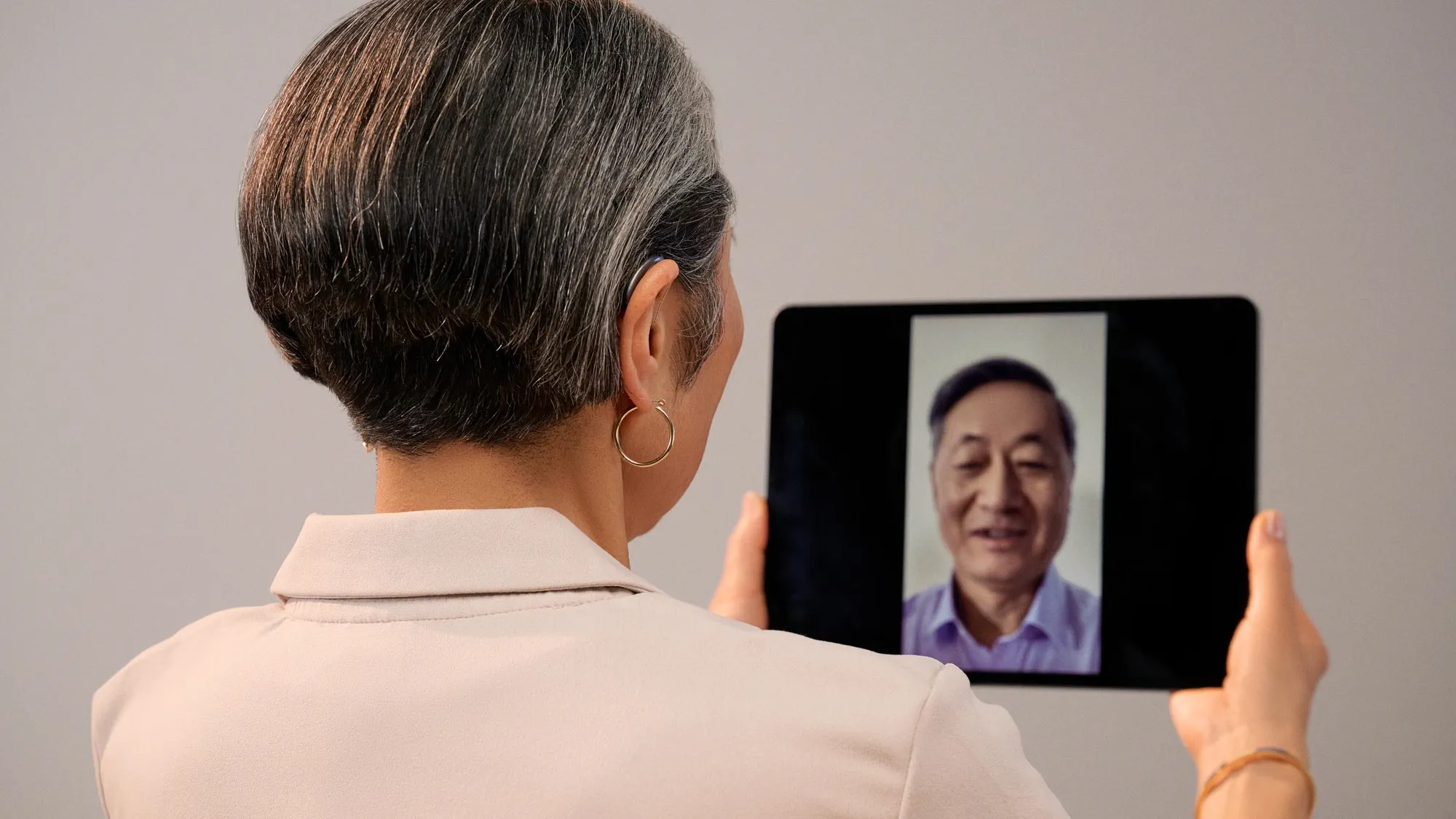
In 2026, hearing aids will sync more easily with TVs, phones, and even public sound systems for truly wireless listening thanks to advancements in Bluetooth technology.
- Bluetooth LE Audio is the newest version of Bluetooth technology. It sounds better, uses less battery power, and connects faster.2
- Auracast, a feature of LE Audio, lets one device stream sound to multiple hearing aids or headphones at the same time, allowing you to share listening experiences with others.2
Design evolution: smaller, lighter, more stylish
Future hearing aids will combine discreet design with functionality, which means you won’t have to give up one feature for another.
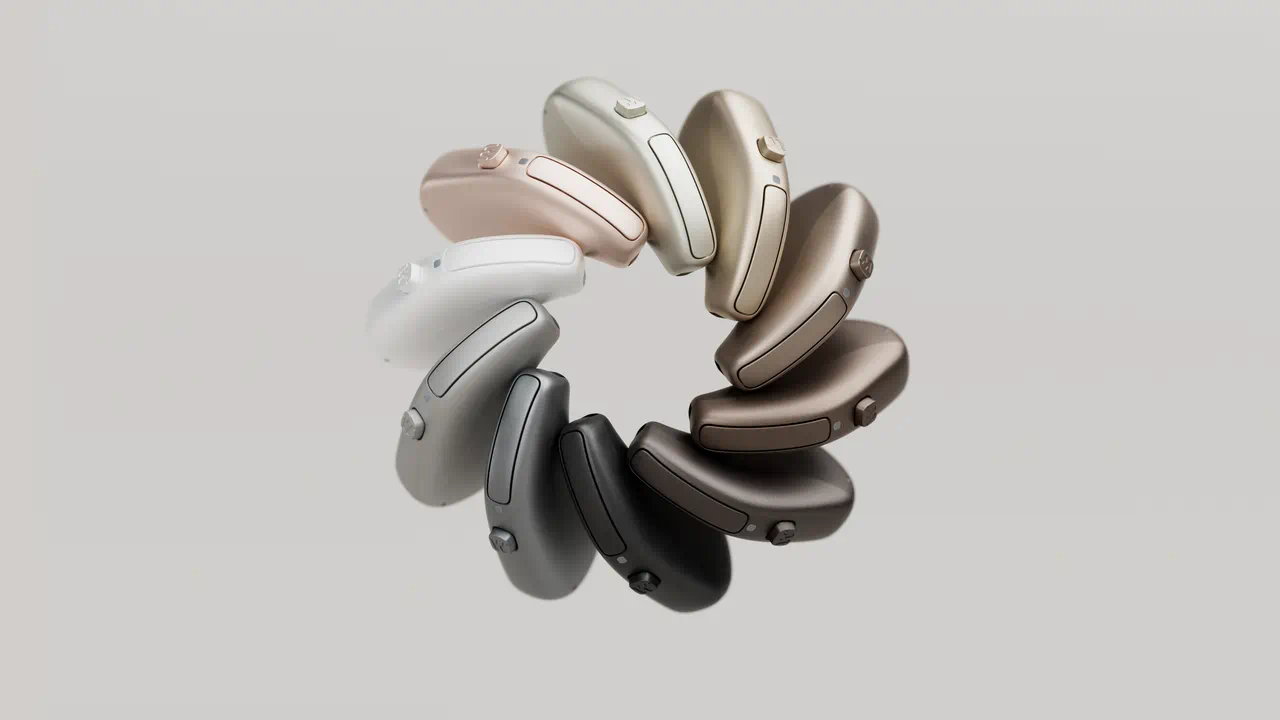
You’ll be able to get an ultra-discreet design, a comfortable fit, and a choice of color and technology all in one device.
Battery life and charging improvements
Rechargeable hearing aids have become and will continue to be all the rage, as consumers move toward more environmentally friendly, convenient options.
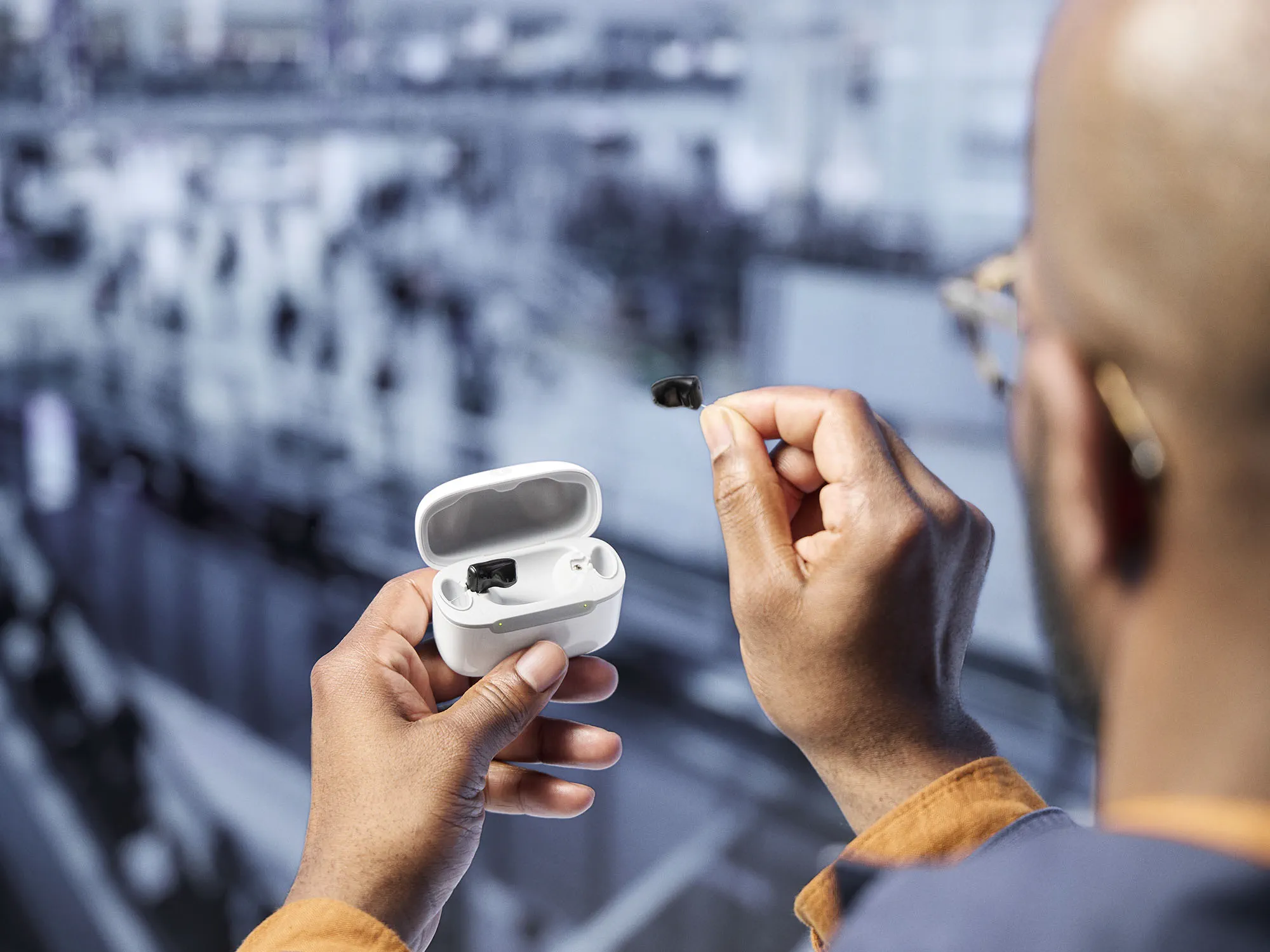
Rechargeable cells (built-in batteries) will offer longer run-times and ultra-fast charging. This means shorter downtime and fewer interruptions to your life.
What Does the New Technology Mean for You
What This Means for Hearing Aid Users
So, what does this mean if you have hearing loss? Not only effortless, natural hearing, but better hearing can lead to improved well-being as well.
If you wear hearing aids, you’ll:
Enjoy a more natural listening experience and better conversations with enhanced speech clarity and less distracting background noise.
Save time and hassle with fewer manual adjustments. AI tech will learn your habits and preferences and adjust automatically to your surroundings.
Move through life with fewer hearing challenges, which means less worry and frustration.
How to Get Ready for New Technology
How to Prepare for Next-Generation Hearing Aids
- 1.
Research online the new technology and devices that may fit your lifestyle.
- 2.
Ask your hearing care specialist about new models and features, and if you can preview or see them. Talk with them about compatibility, tech updates, and tech support, too.
- 3.
See if there are trial periods so you can give new devices a test run before you buy.
Keep in mind that if you start to have trouble hearing with your current devices, they’re not providing you with a good hearing experience, it may be time to upgrade.
If your devices aren’t functioning properly, have them checked by your hearing professional. They’ll help you decide when it's time to upgrade and which new device is best for you.

Sources:
1 Audicus: From Trumpet to iPhone: A Visual History of Hearing Aids (August 19, 2021): audicus.com/hearing-aid-timeline-visual-history/
2 Bluetooth: Learn about Bluetooth LE Audio (2025): https://www.bluetooth.com/learn-about-bluetooth/feature-enhancements/le-audio/