
Hearing Aids for Mild Hearing Loss
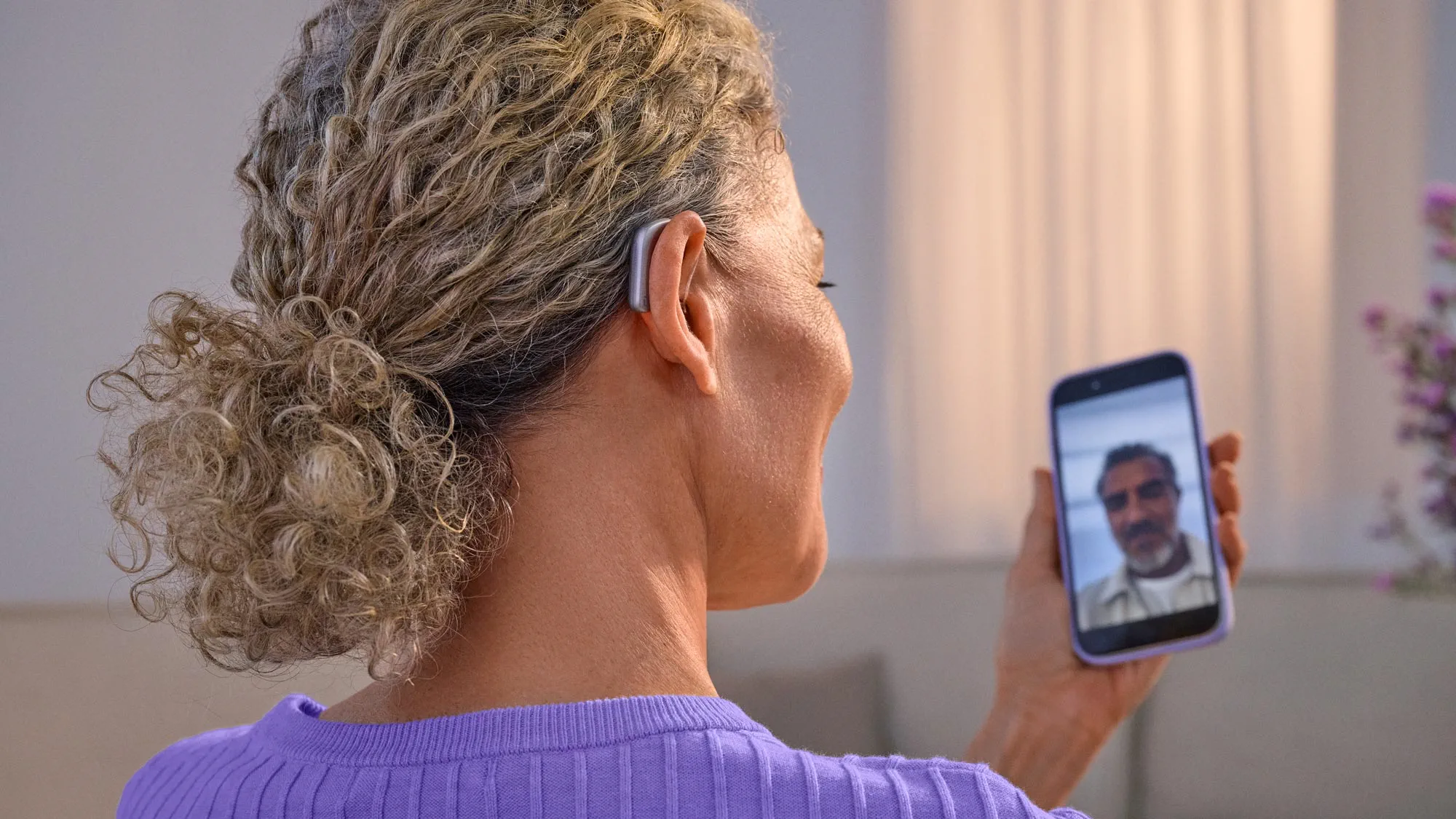
Why Hearing Aids Are Used for Mild Hearing Loss
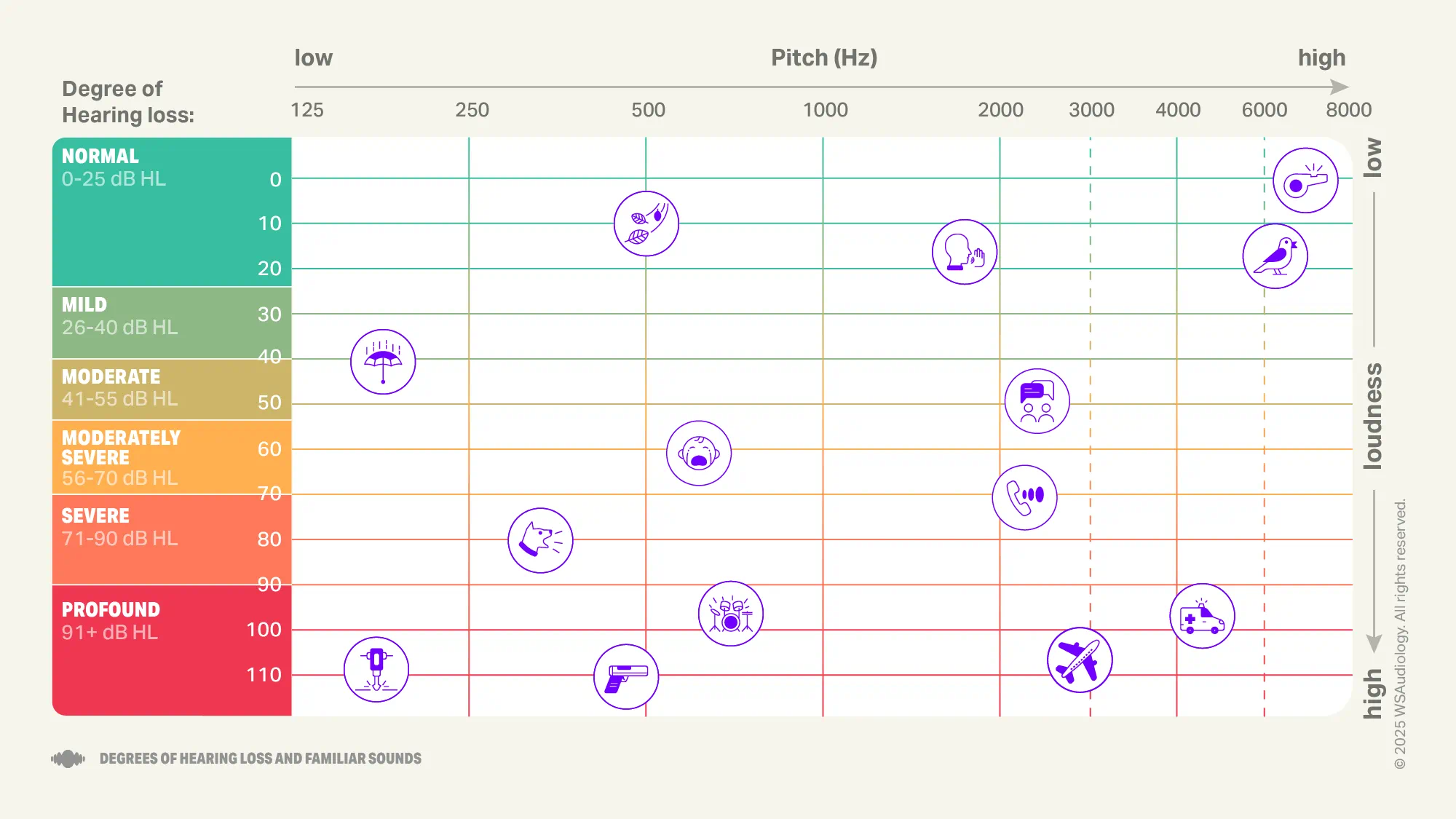
Do You Need a Hearing Aid for Mild Hearing Loss?
You may be asking yourself why you need hearing aids for mild hearing loss if your hearing “isn’t that bad.”
Mild hearing loss can be tricky. It’s often when people first notice they’re having problems hearing in certain environments. But, it’s also easy to explain away.
Everyone has moments where they don’t catch every word in a conversation. But if you notice this often, even in quiet environments, it’s important to use the right hearing aids.
The Real-Life Impact of Mild Hearing Loss
Not only does untreated hearing loss continue to worsen over time, but it can affect your relationships with your family, friends, and co-workers, too.
You may not be able to keep up in conversations, avoid activities where you can’t hear well, or misunderstand what others are saying.
Hearing loss, if left untreated, can also impact your overall health and well-being, too, as it’s also been linked to depression, cardiovascular issues, and even cognitive decline.1
Why is early treatment important
While hearing loss should be treated at first notice, most people wait about seven years.2 They don’t think their hearing is that bad or just don’t want hearing aids.
Using hearing aids earlier, even for mild hearing loss, is vital. Not only do they help protect the hearing you have left, but your relationships, health, and overall well-being, too.
How Hearing Aids Support Hearing, Brain Health, and Overall Well-Being
Hearing aids don’t just support your ears — they help keep your mind sharp and you connected to who and what you love.
When hearing loss goes untreated, your brain has to work harder to process sound, which can lead to fatigue, frustration, and a greater risk of cognitive decline over time.1
Hearing aids, even for mild hearing loss, help reduce that strain by providing clearer, more consistent sound, similar to natural hearing.
Better hearing can also:
- Support better communication.
- Help you maintain social connections.
- Give you greater confidence.
- Help reduce feelings of depression, isolation, and frustration.
- Improve your balance and awareness of surroundings.
4 Features That Matter Most for Mild Loss
The Best Hearing Aid Features for Mild Hearing Loss
#1 Speech clarity and sound quality
Hearing loss, regardless of level, affects your ability to easily follow conversations, especially in noisy places.
Look for hearing aids that prioritize clear speech and natural sound. Consider those with noise reduction and directional microphones that put the focus on the voices you want to hear.
#2 Feedback suppression
#3 Bluetooth connectivity and app controls
Most modern hearing aids now connect to your smartphone, which means you can stream calls and music directly to your ears.
In addition, hearing aid apps let you adjust volume, create and adjust custom hearing programs, and track battery life, giving you control and adding convenience throughout the day.
#4 Rechargeable vs replaceable batteries
Before purchasing hearing aids, you’ll want to decide between rechargeable devices or those that require new batteries every few days.
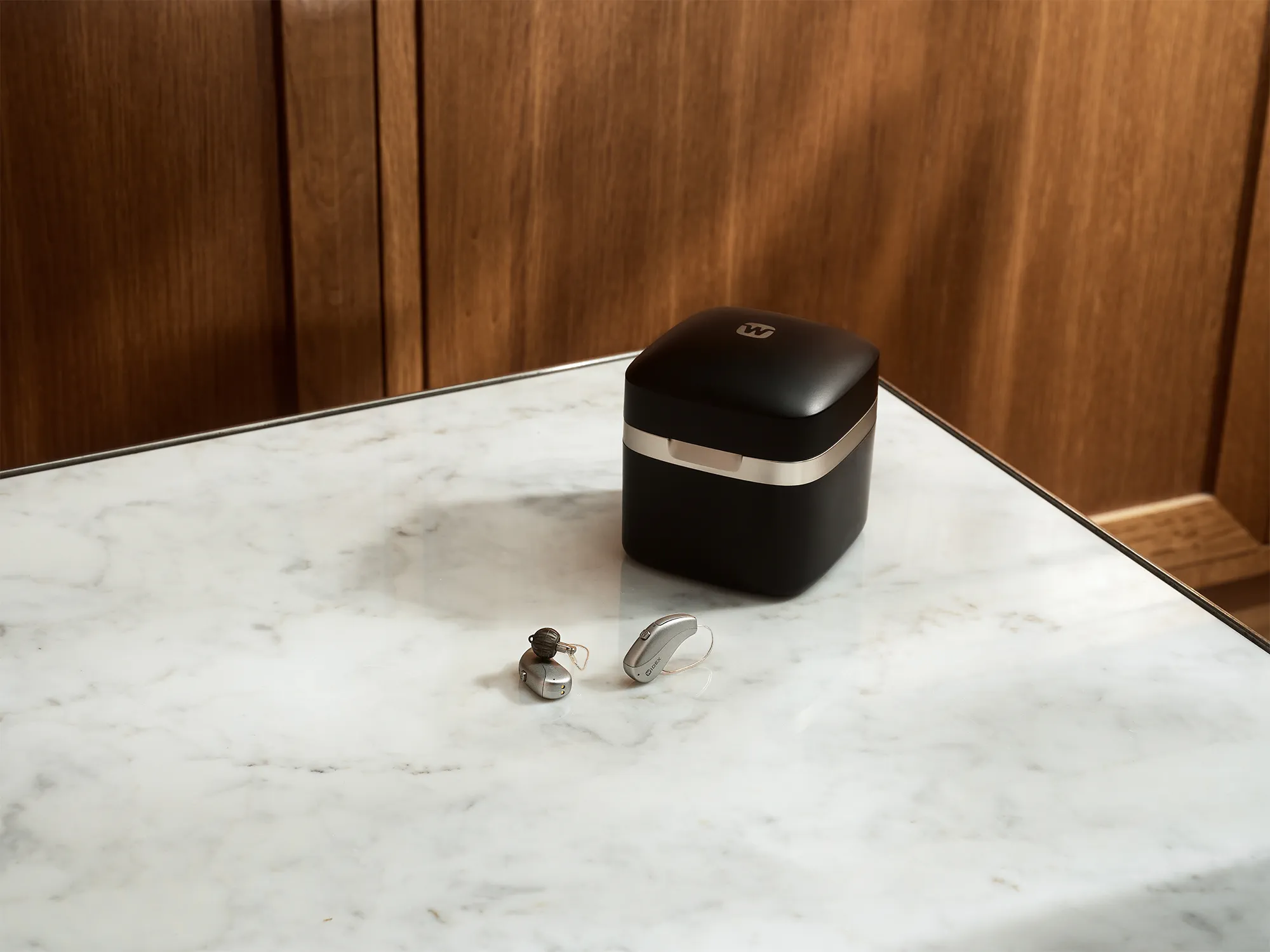
- Rechargeable hearing aids with lithium-ion batteries are convenient and eco-friendly, as they’re simply placed in a charging case overnight. No more throwing away tiny batteries every few days. Rechargeable hearing aids at this time are considered advanced or premium technology, so they may cost a little more than those with disposable batteries.
- Disposable batteries are cheap and often used in older hearing aid models or those designed for more severe hearing loss, when more power is needed. Some people may prefer devices with disposable batteries, as they can swap them out in seconds. However, others may find them hard to handle due to their small size.
Best Hearing Aid Styles for Mild Hearing Loss
Treat Mild Hearing Loss With Top Hearing Aid Styles
The more severe your degree of hearing loss, the more limited your choices due to the level of technology needed to hear well.
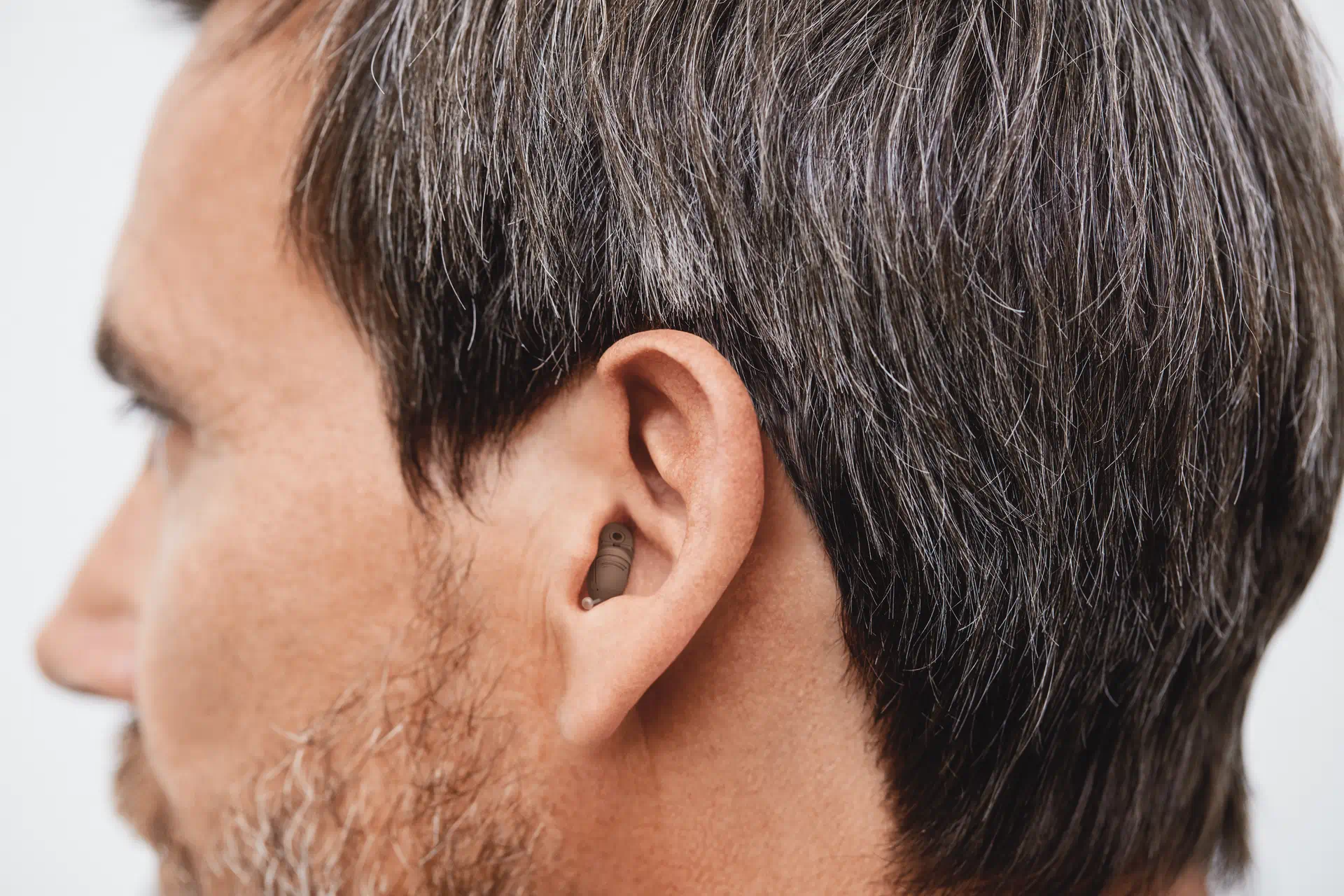
The good news is there is a wide variety of hearing aid styles for mild hearing loss. You have a choice between in-the-ear and behind-the-ear models, based on your preference.

Best Hearing Aids Brands & Models for Mild Hearing Loss
Explore the Best Hearing Aid Brands for Mild Hearing Loss
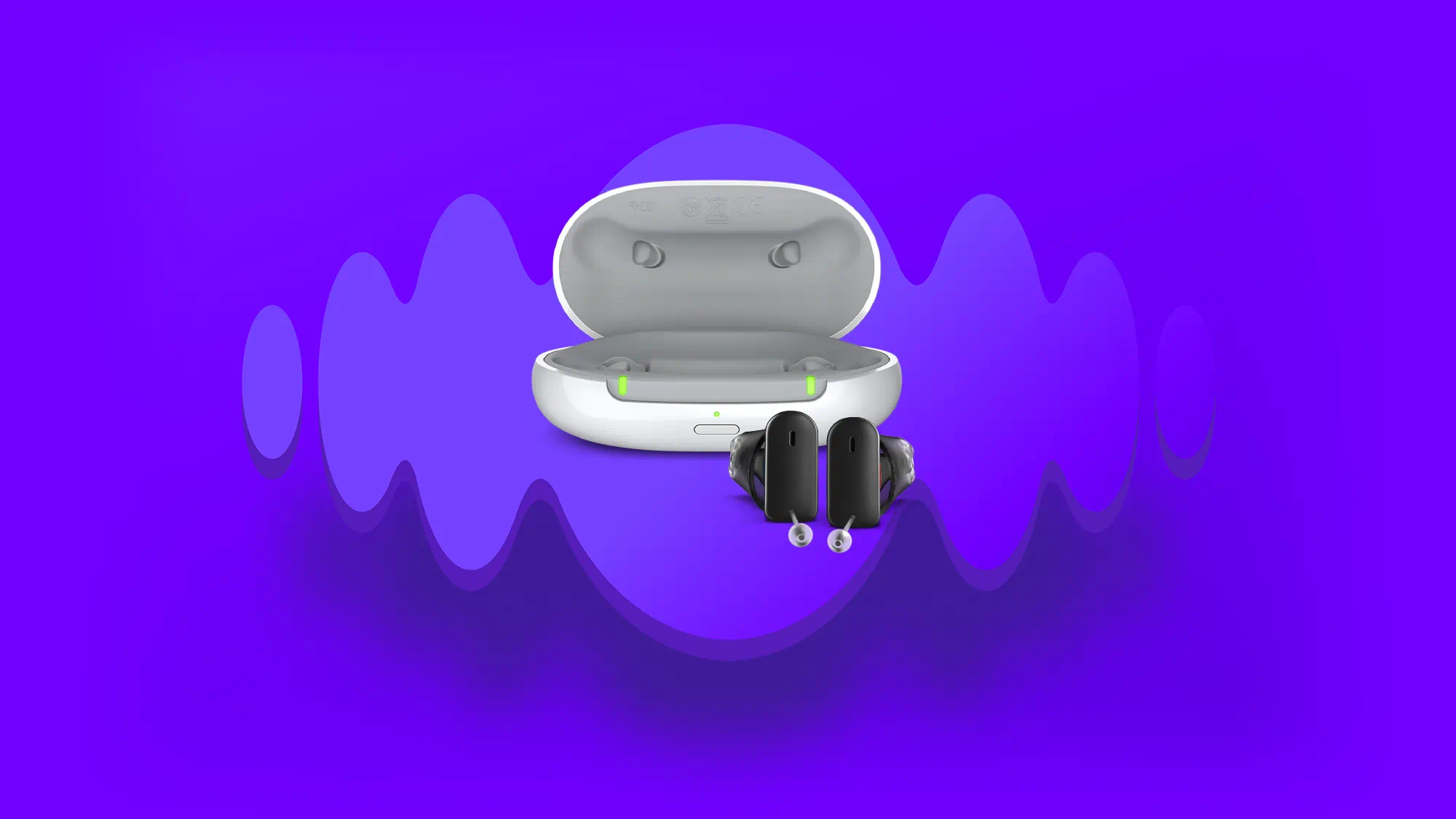
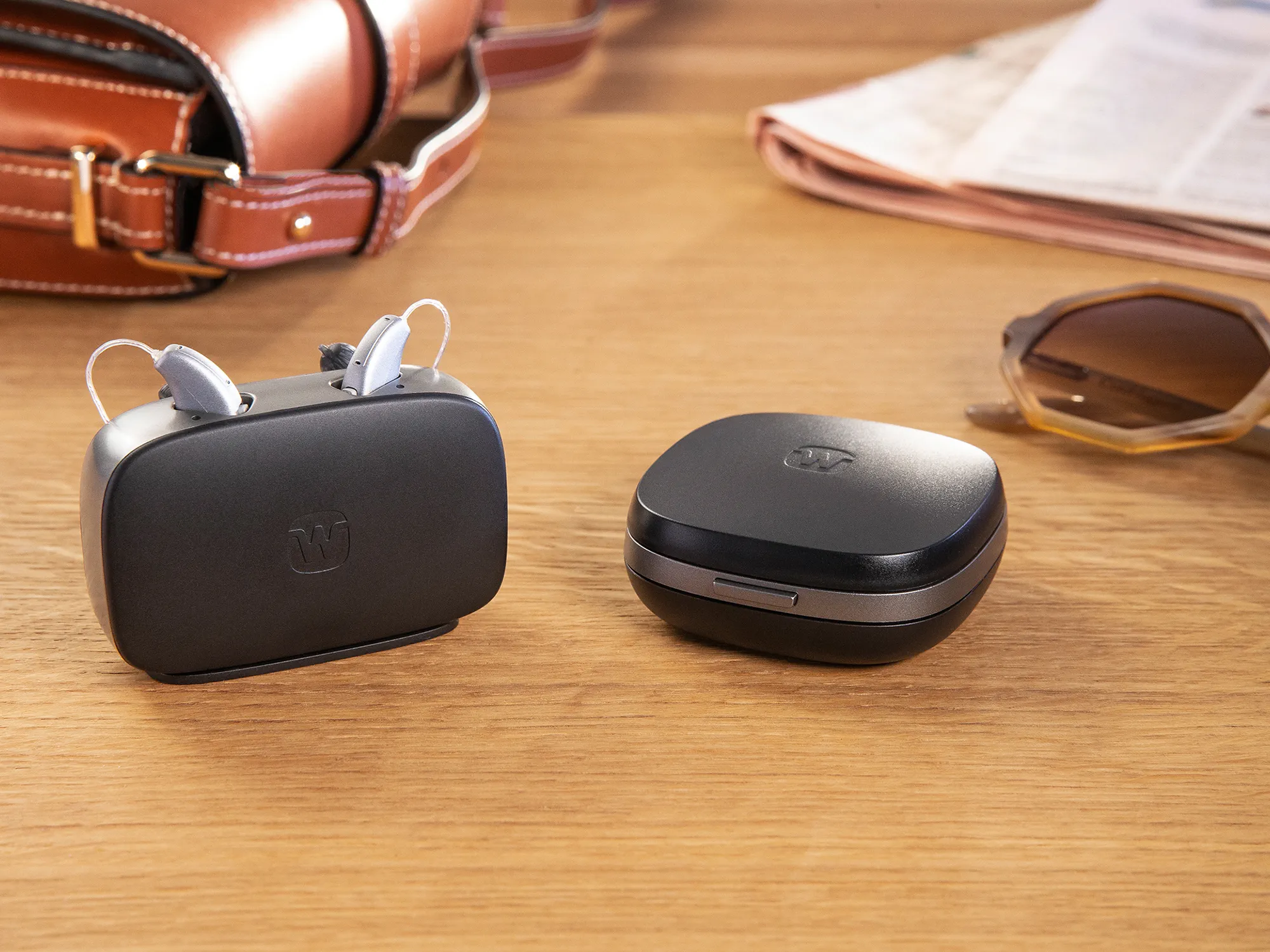
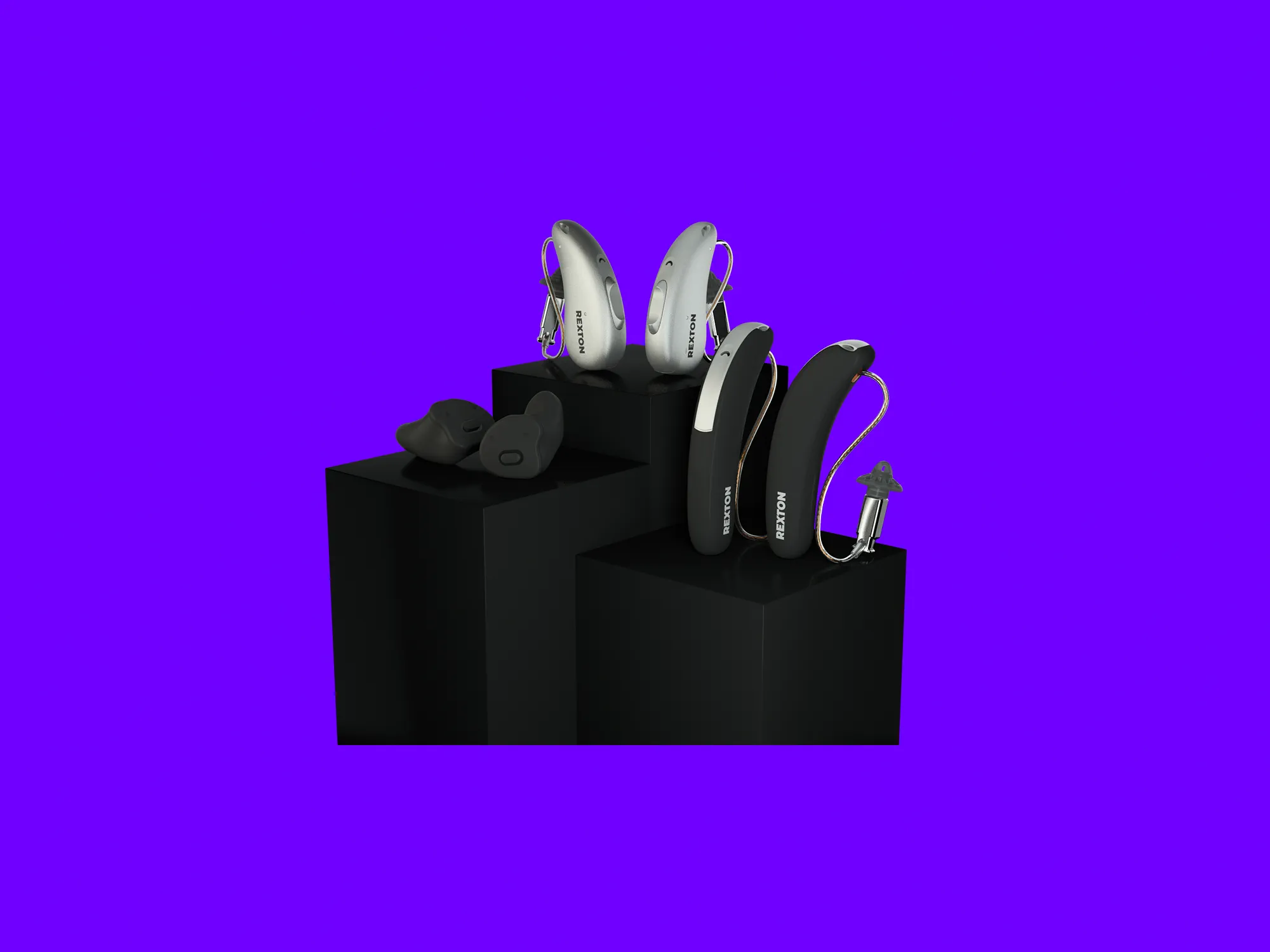
Top 3 Prescription Models
Next Steps for Treating Mild Hearing Loss
What to Do Next
How to get fitted
- 1.Start by scheduling a complimentary hearing screening with a HearUSA hearing care professional.
- 2.If hearing aids are recommended, they’ll help you choose a style that fits your needs and lifestyle, whether that’s a prescription-grade or OTC device.
- 3.If you choose prescription devices, your hearing professional will program them for you or take impressions of your ear for custom devices (to be programmed at a later date).
Questions to Ask at Your Consultation
- What are the best hearing aid styles and features for mild hearing loss?
- What is the maintenance like on hearing aids?
- Are there any hearing aid trials available, and if they don’t work for me, can I return them?
- Does the cost of hearing aids include a warranty and follow-up care?

Insurance and Financing Basics
From contacting your insurance provider to find every possible discount to offering stress-free financing plans, HearUSA is here to help you save and hear your best.
Final Thoughts
Treating mild hearing loss early gives you more hearing aid options and helps protect your hearing and overall health — so you can stay connected, confident, and healthier longer.
Book your complimentary hearing screening today with a HearUSA hearing care professional who can help you take control of your hearing health.
Sources:
1 Mayo Clinic Minute: How untreated hearing loss can result in a negative health spin (July 29, 2024): https://newsnetwork.mayoclinic.org/discussion/mayo-clinic-minute-how-untreated-hearing-loss-can-result-in-a-negative-health-spiral/?utm_source
2 American Academy of Audiology: Guide to Adult Hearing Care (2018): https://www.audiology.org/wp-content/uploads/2022/04/Guide2AdultHearingCare-FINAL.pdf
FAQs
Frequently Asked Questions
Do I really need a hearing aid for mild hearing loss?
Yes, even with mild hearing loss, you can struggle to follow conversations and stay connected to loved ones.
A hearing aid can make everyday listening easier, reduce listening fatigue, and help prevent further hearing and health challenges down the road.
What are the best hearing aids for mild hearing loss?
The best hearing aids for mild hearing loss are usually small, comfortable, and equipped with helpful features that enhance speech.
Popular choices include invisible-in-canal (IIC), receiver-in-canal (RIC), and slim behind-the-ear (BTE) models. Your ideal fit depends on your lifestyle, preferences, and hearing needs.
Can I live a normal life with mild hearing loss?
Yes, and as long as it’s managed properly.
Wearing hearing aids made for mild hearing loss helps ensure you’re able to keep doing the things you love and stay connected to friends and family.
Where can I buy hearing aids for mild hearing loss?
You can get prescription hearing aids through licensed hearing care providers, like HearUSA, who can evaluate your hearing, recommend the right device, and offer follow-up support.
Over-the-counter (OTC) options are also available at stores near you.
How often should I get my hearing tested?
A yearly hearing test is a good idea for those who already have hearing loss, are age 60 or older, or are frequently exposed to loud environments.
If you’re experiencing symptoms of hearing loss now, at any age, don’t wait. Book a no-cost hearing screening with a HearUSA professional today.