
How Long Do Hearing Aids Last?

How Many Years Do Hearing Aids Last?
The Average Lifespan of Hearing Aids
Better hearing is an investment. And whether you’re buying $300 over-the-counter (OTC) hearing aids or investing more money into prescription devices, you want to make sure they’ll last.
Prescription hearing aids and some OTC devices normally last anywhere from three to seven years. Some people can stretch them to last longer with proper care.
The reason the lifespan varies is that there are several factors that can impact their lifespan, which include:

The brand, model, and reputation

Your care and use habits

Exposure to the environment

Outdated technology

Things That Impact the Lifespan of Hearing Aids
What Affects How Long Hearing Aids Last
Brand and model
Durability, technology, and quality of hearing aids can vary by brand and type of hearing aid.
While quality hearing aids come in a range of prices, premium prescription hearing aids may last longer due to using stronger materials and more precise engineering.
Choosing a “cheap,” less reputable brand of hearing aid may save you money short-term, but could mean a shorter lifespan or more costly repairs or replacements long-term.
Battery performance
Whether you have rechargeable hearing aids or change batteries every few days, battery performance and connections can decline over time, impacting how well your hearing aids work.
However, recent innovations in hearing aid technology have increased daily battery life significantly, meaning devices may have battery health that supports a full day of listening and streaming over the lifespan of the device.
Daily use
Wear and tear from daily use impacts everything from cars to clothes to computers.
Understanding that anything with technology, including hearing aids, will eventually need replacing can help with expectations. But the right maintenance and care can help extend performance.
Environment
Things like moisture, heat, dust, and earwax are all realities of life that can affect the life of your devices.
Hearing aids exposed to humid climates or sweat may require more frequent cleaning and maintenance. Look for devices with an IP68 water- and dust-resistant rating for protection.
Care and maintenance practices

When It’s Time for New Hearing Aids
Signs It’s Time to Replace Your Hearing Aids
Once you start noticing you’re not hearing as well with your hearing aids, it’s time to see your hearing care specialist to check the cause.
Here are four common signs that show it’s time for new hearing aids.
- 1.
You’re experiencing reduced sound quality.
Sound may be muffled or not as bright or clear. It’s important to have both your ears and your devices checked to be sure of the problem. - 2.
You’re having to make frequent repairs or experience increased malfunctions.
Common issues include whistling, broken hearing aid tubing, damaged microphones, moisture damage, earwax build-up, a failing battery, and issues turning them on and off.
If these issues are more common than not and start adding up cost-wise, it may be time to invest in a new pair of hearing aids.
- 3.
Your lifestyle and hearing change.
As we age, we change. Whether your hobbies evolve or your level of hearing loss advances, there are devices equipped to meet you where you’re at. - 4.
New technology becomes available.
It's OK to want more fashion-forward hearing aids or the latest in advanced technology to ensure you’re always hearing your best.
Bluetooth connectivity, rechargeable batteries, 360-degree surround sound, advanced noise reduction, and smartphone app controls are just a handful of popular features in hearing aids today.
Increase the Lifespan of Your Hearing Aids
How to Extend the Life of Your Hearing Aids
Proper daily cleaning
Clean your hearing aids each night by wiping them with a soft, dry cloth to remove earwax, dust, and moisture. This will help reduce buildup and protect performance.
Use the right tools that usually come with your devices, like a small brush or wax guards, to keep sound quality and parts functioning properly.
Regular professional servicing
Get routine checkups for your hearing aids. Your hearing care provider can make adjustments, replace parts, and deep-clean areas you can’t see or reach.
If you need information on handling your hearing aids or help troubleshooting before you’re able to get to a professional, visit our hearing aid support guides.
Storing hearing aids safely
Put your hearing aids in a protective case when you’re not wearing them and keep them in a cool, dry location.
Don’t store them in hot or humid areas, such as in a hot car or bathrooms. Extreme temperatures can damage electronics.
Using protective accessories (dryers, cases)
Get a special hearing aid dehumidifier or dry box, which removes moisture from hearing aids overnight.
If you’re not wearing your hearing aids but need them with you, using a carrying case can reduce damage from accidental drops or exposure to dirt, dust and water.
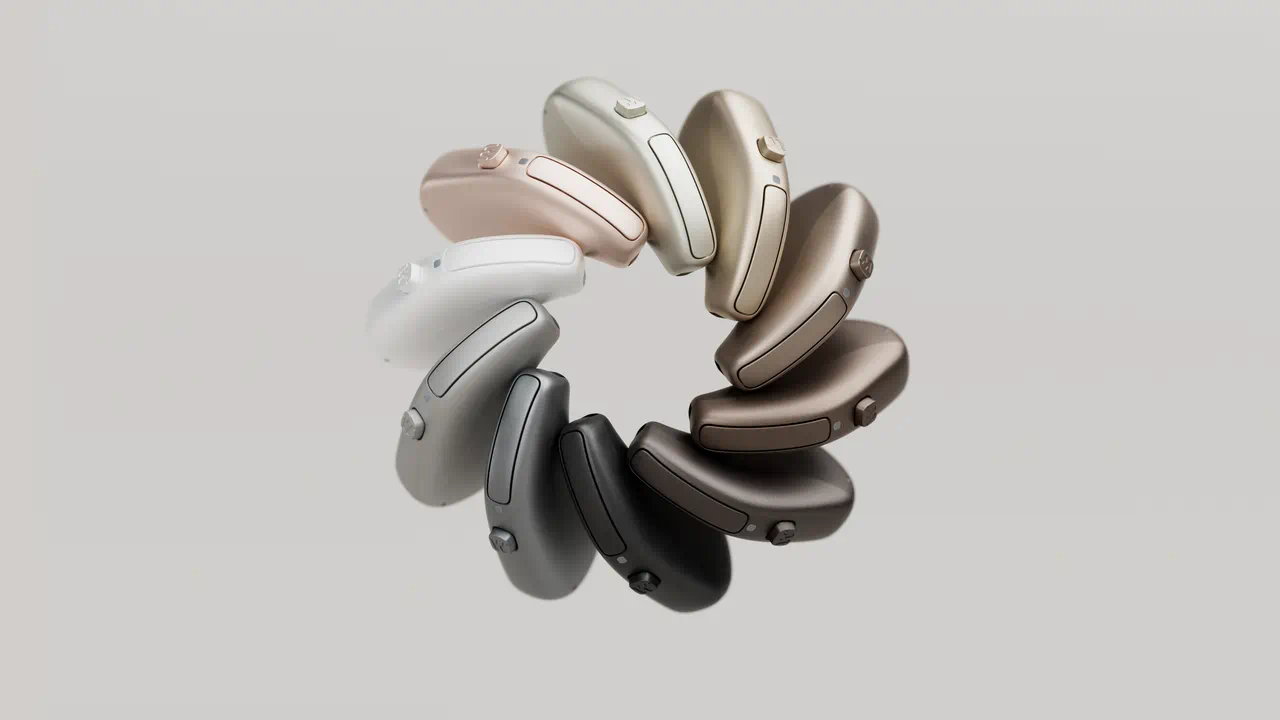
Upgrading to Newer Models
Why You Should Upgrade to New Technology
You don’t have to wait until your hearing aids completely fail before considering a replacement.
If your devices are more than five years old, they no longer fit your lifestyle, or they’re malfunctioning often, it may be time to explore newer options.
Technology in modern hearing aids changes fast. Significant improvements are always being made in sound quality, comfort, and connectivity, which all improve the quality of life for those with hearing loss.
Bluetooth streaming, rechargeable batteries, advanced noise reduction, and personalized programming can make daily listening more natural, much easier, and enjoyable.
While buying new hearing aids is an investment, it also means better performance so you can be more connected and engaged than ever before.

Time for an Upgrade?
FAQs
Frequently Asked Questions
How often should hearing aids be replaced?
While hearing aids usually last anywhere from three to seven years, you should replace your devices when they no longer help you hear your best, or you want more technology.
Technology changes fast, so it can become outdated quickly. However, each person desires a different level of technology in their daily lives.
Do expensive hearing aids last longer?
Premium hearing aids may last longer due to their craftsmanship and quality materials.
However, the lifespan of hearing aids depends on many factors, such as the brand, how well you care for them, and even environmental exposure (sweat, dust, humidity).
Keep in mind, it’s best to purchase a reputable brand of hearing aids that have a warranty, so you’ll have protection from them failing too early.
Can hearing aids be repaired instead of replaced?
In some cases, yes. Common problems include whistling, tubing or microphone damage, moisture issues, earwax buildup and damage, battery failure, and power issues.
If these occur frequently and repairs get costly, it may be time for new hearing aids.
How do I know if my hearing aids are still working properly?
If you notice a change in your hearing while wearing your hearing aids or if the devices are malfunctioning, see your hearing care provider.
They can check your ears and devices to find the cause and determine if new hearing aids are needed.