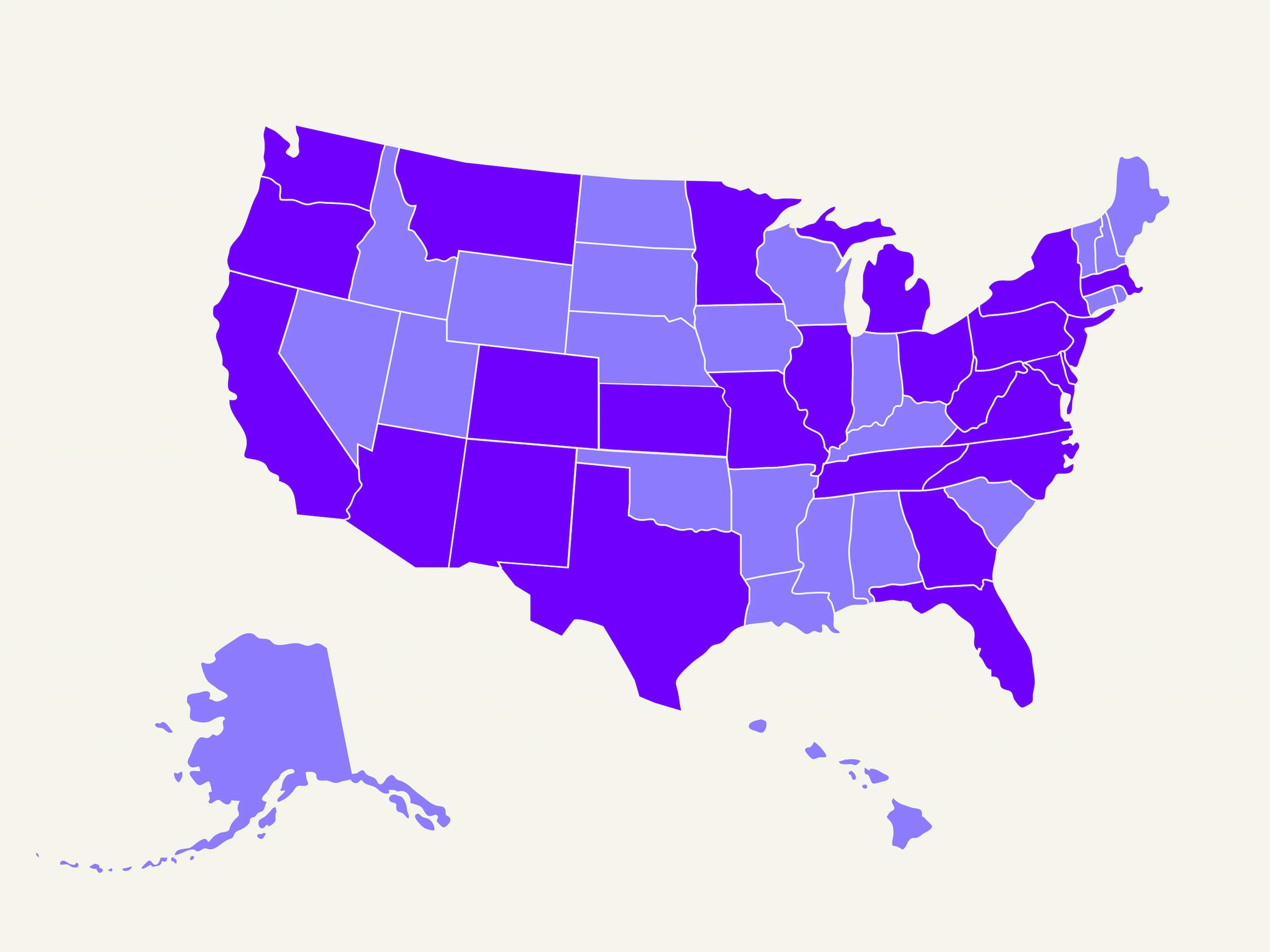
How we can help

Ask an Expert: How Can I Talk to Someone About Hearing Aids Without Offending Them?

Talking about hearing aids can be sensitive. This guide offers tips to approach the conversation with care, ease concerns, and help your loved one feel confident and supported on their hearing journey.
Published 1/27/2026,
Updated 1/27/2026
3 min read
Hearing aidsTips and tricks
Amplify the joy of spontaneous meetups and coffee dates, relishing the lively conversations and connection made even more special with the clarity provided by hearing aids.

Q: Why Do People Resist Hearing Aids?

AJ Surrette: Many people resist hearing aids due to common myths and stigma. They may associate them with aging or disability, worry about how they’ll look, or believe their hearing isn’t “bad enough” yet. Addressing these concerns can help more people feel confident about giving hearing aids a try.

There is also a misconception about hearing aids being outdated devices that are bulky and make sounds uncomfortably loud. Today’s hearing aids are small, discreet, and built with advanced technology that enhances speech clarity and reduces background noise.
best hearing aids for mild hearing loss
Discreet hearing aids enhance speech clarity and reduce background noise
best hearing aids for  sports
Easy communication and an improved sound experience while maintaining an active lifestyle with discreet hearing aids
Another myth is that hearing aids will restore hearing completely. While they don’t “cure” hearing loss, they do significantly improve sound clarity and comfort, making communication much easier. Recognizing the real benefits of hearing aids and letting go of myths opens up opportunities for better hearing and a more active, fulfilling lifestyle.

Find your nearest hearing center.

Q: What Are Common Fears and Concerns People Have About Hearing Aids?

AJ Surrette: Many people worry that changes in hearing health signal aging, which can feel uncomfortable. But the reality is that anyone’s hearing health can change, and choosing to address it is a proactive and empowering step toward staying connected and engaged.

Many people also may not realize how much hearing aid technology has improved, and may assume it won’t help. That’s why raising awareness and clearing up these misconceptions is so important.

Stay connected to the rustling leaves, chirping birds, and tranquil sounds of your garden sanctuary with the support of hearing aids
Help your family or friends take the first step towards better hearing

Q: How Can I Convince Someone to Get Hearing Aids?

AJ Surrette Encouraging a loved one to try hearing aids starts with gentle understanding and support. After a professional hearing test, their audiologist will explain the results and guide them through positive next steps. When clients see firsthand how improved hearing can enrich their daily experiences, they often feel more open to finding solutions.

Amplify the warmth of family interactions, capturing every word and nuance in conversations with the support of hearing aids
Explain the benefits of hearing aids to your loved ones with care
It’s helpful to clear up common myths about hearing aids and focus on the many benefits, like slowing further hearing decline, keeping the brain engaged, and most importantly, improving communication and overall quality of life.
You might also introduce them to someone who already wears hearing aids and is willing to share their experience. Hearing a real success story can ease concerns, clear up misunderstandings and ease fears and help your loved one feel more confident in making their own decision.

Q: What Specific Next Steps Can I Suggest Without Overwhelming Them?

AJ Surrette: The first step toward better hearing starts with a complimentary hearing assessment with HearUSA. You can suggest it as part of their routine health checkup – so there’s no pressure to commit to hearing aids right away. The goal is to help them understand their hearing health and feel supported throughout the process.

couple greeting the audiologist
Offering to go with them can be reassuring and make the experience feel more comfortable. It also helps to gently guide them toward learning more about hearing health and hearing aids, so they feel informed and in control.
An audiologist discussing hearing aids with two friends in a consultation setting.
Supporting someone through this step is a meaningful gift; but it takes patience, empathy, and respect. Let them know you’re always in their corner.
couple smiling together hearing aids
With patience, empathy, and respect, your encouragement can make a real difference; sometimes, reassurance is all it takes to help them move forward at their own pace.
hearusa book appointment

Hear Better. Live Better.

Book a no-cost professional hearing screening at your nearest HearUSA center today and take the first step toward simply excellent hearing.

Book Your Free Screening

Related articles

A man is thoughtfully considering whether it is safe to sleep with his hearing aids in
Updated Jan 29th · 2 min read

Ask an Expert: Can You Sleep with Hearing Aids In?

Wearing hearing aids helps you stay connected all day, but should you wear them at night? Here’s what to know about sleeping, napping, and storing your hearing aids properly.
Hearing aidsTips and tricks
An audiologist is having a conversation with a couple across a desk, likely discussing hearing loss
Updated Jan 14th · 2 min read

Ask an Expert: How Do I Know If I Need Hearing Aids?

Noticing you’re missing parts of conversations or turning up the volume more often? Here’s how to tell if it’s time to get your hearing checked, and how hearing aids can help you stay connected.
Hearing aidsTips and tricks
Hearing Aid Care and Maintenance Tips for Caregivers
Updated Jan 12th · 2 min read

Hearing Aid Care and Maintenance Tips for Caregivers

Discover how you can help a loved one care for their hearing aids with a simple daily cleaning routine and encouraging support. Explore our useful tips to help them thrive every day.
Hearing aidsTips and tricks

Talk to an expert in one of our hearing centers.

Book appointment

Have questions or need assistance?

Call us 855 252 5312
hearusa center map

Find your nearest hearing center.