
When Is Earwax Normal, And When Should You Be Concerned?
Color
Earwax naturally ranges from light yellow to orange or brown. Very dark or black earwax may indicate a buildup, while a red tint could be a sign of bleeding and should be evaluated by a healthcare professional.Consistency
Earwax can be wet and sticky or dry and flaky: both are normal and are often influenced by genetics and skin type. However, white, green, or pus-like discharge may indicate an ear infection or injury and should be checked by a healthcare provider.

Why Does Earwax Build Up?
Causes of Earwax Buildup
Earwax usually moves out of the ear naturally. However, when your body produces too much earwax or the wax can't leave the ear canal on its own, it can harden and cause a blockage. In some cases, using cotton swabs or other objects to clean your ears can push earwax deeper into the ear, making the problem worse.
Several factors can increase your risk of earwax buildup, including:
Older age
As you get older, earwax tends to become drier and harder, making it more difficult for your ears to clear it naturally.Using cotton swabs or inserting other objects into the ear
Cotton swabs, bobby pins, or other objects can push earwax deeper into the ear canal, increasing the risk of a blockage.Wearing hearing aids or earplugs
Hearing aids and earplugs can interfere with the ear's natural cleaning process by preventing earwax from moving out of the ear canal.Excess hair in the ear canal
Hair in the ear canal can trap earwax and make it more difficult for it to exit the ear naturally.Certain skin conditions
Skin conditions such as eczema or psoriasis can affect earwax production and increase the likelihood of buildup.Developmental disabilities
Some developmental conditions may make it more difficult for the ears to clear earwax naturally, leading to more frequent buildup.Diet
While research is still limited, some studies suggest that overall health and nutrition may influence earwax production in certain individuals.

Symptoms of Earwax Buildup
Earache or fullness in the ear
A buildup of earwax can create pressure inside the ear, leading to discomfort, pain, or a feeling that your ear is plugged.Itching of the ear
Excess earwax can irritate the ear canal, causing persistent itching or the urge to scratch inside the ear.Discharge or odor coming from the ear
Unusual drainage or a foul smell may indicate impacted earwax or, in some cases, an ear infection that requires medical attention.Dizziness
A severe earwax blockage can sometimes affect your balance, making you feel dizzy or unsteady.Ringing of the ear (tinnitus)
Impacted earwax may trigger or worsen ringing, buzzing, or humming sounds that only you can hear.Hearing loss that may continue to worsen
Earwax buildup can block sound from reaching the eardrum, causing temporary hearing loss or muffled hearing that may worsen if left untreated.
Earwax and Hearing Loss
Can Earwax Cause Hearing Loss?
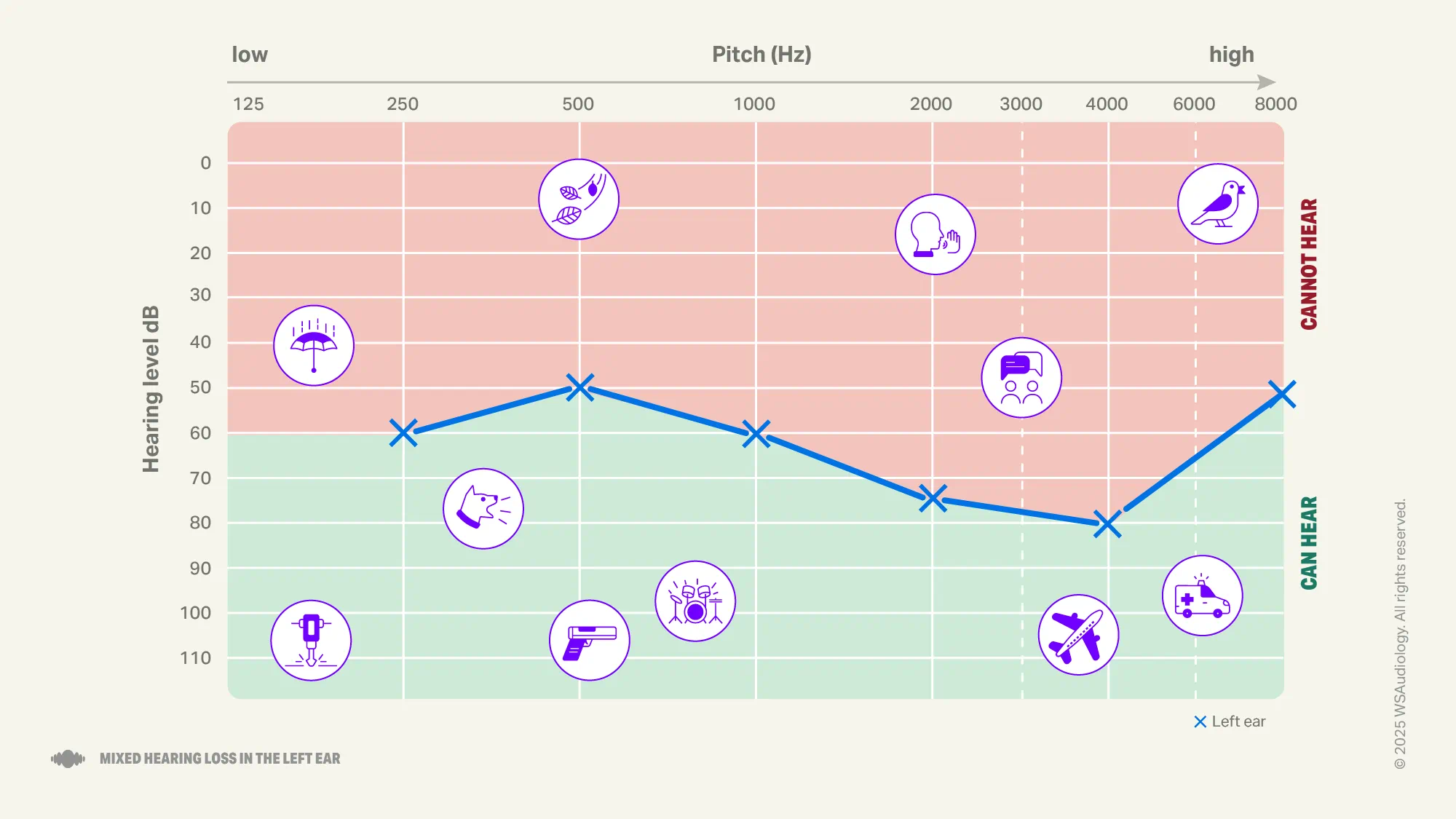
While earwax is essential for protecting your ears from dirt, dust, and bacteria, it normally moves out of the ear naturally through everyday jaw movements like talking and chewing. Problems arise when the body produces too much earwax or the wax becomes impacted, creating a blockage in the ear canal.
However, earwax isn't always the cause of hearing problems. If your symptoms persist after earwax removal, or if your hearing loss develops gradually without signs of blockage, an underlying hearing condition may be responsible.
A professional hearing screening can determine whether your hearing loss is caused by earwax or another issue and recommend the most appropriate treatment.

Not sure if earwax is affecting your hearing?
What to Do About Wax
Preventing Earwax Buildup
Earwax is an essential part of your ear health, but buildup and blockages can, nevertheless, still occur. Here are some ways you can prevent earwax buildup:
- Don't stick any objects, such as cotton swabs, in your ears and don't overclean them.
- Avoid suction devices or ear candles.
- If you wear hearing aids, keep them as clean as possible.

Should I Clean My Ears?
In most cases, no. Your ears are self-cleaning, meaning earwax naturally moves out of the ear canal through everyday jaw movements like talking and chewing.
Most people don't need to clean their ears regularly, and inserting cotton swabs or other objects into the ear can push wax deeper, increasing the risk of impaction and hearing problems.
If you think you have excess earwax, start with a safe, at-home option. However, if your symptoms don't improve after a few days, or if you experience pain, drainage, dizziness, or persistent hearing loss, it's time to see a hearing care professional or healthcare provider for screening and safe earwax removal.
Wax-dissolving drops
Earwax irrigation
Manual removal
Why Treat Buildup?
A buildup of earwax may seem harmless on the surface, but left untreated, it can lead to other problems. The blockage could continue to get worse, leading to ear irritation, infections, additional hearing loss, and other problems going undiagnosed.
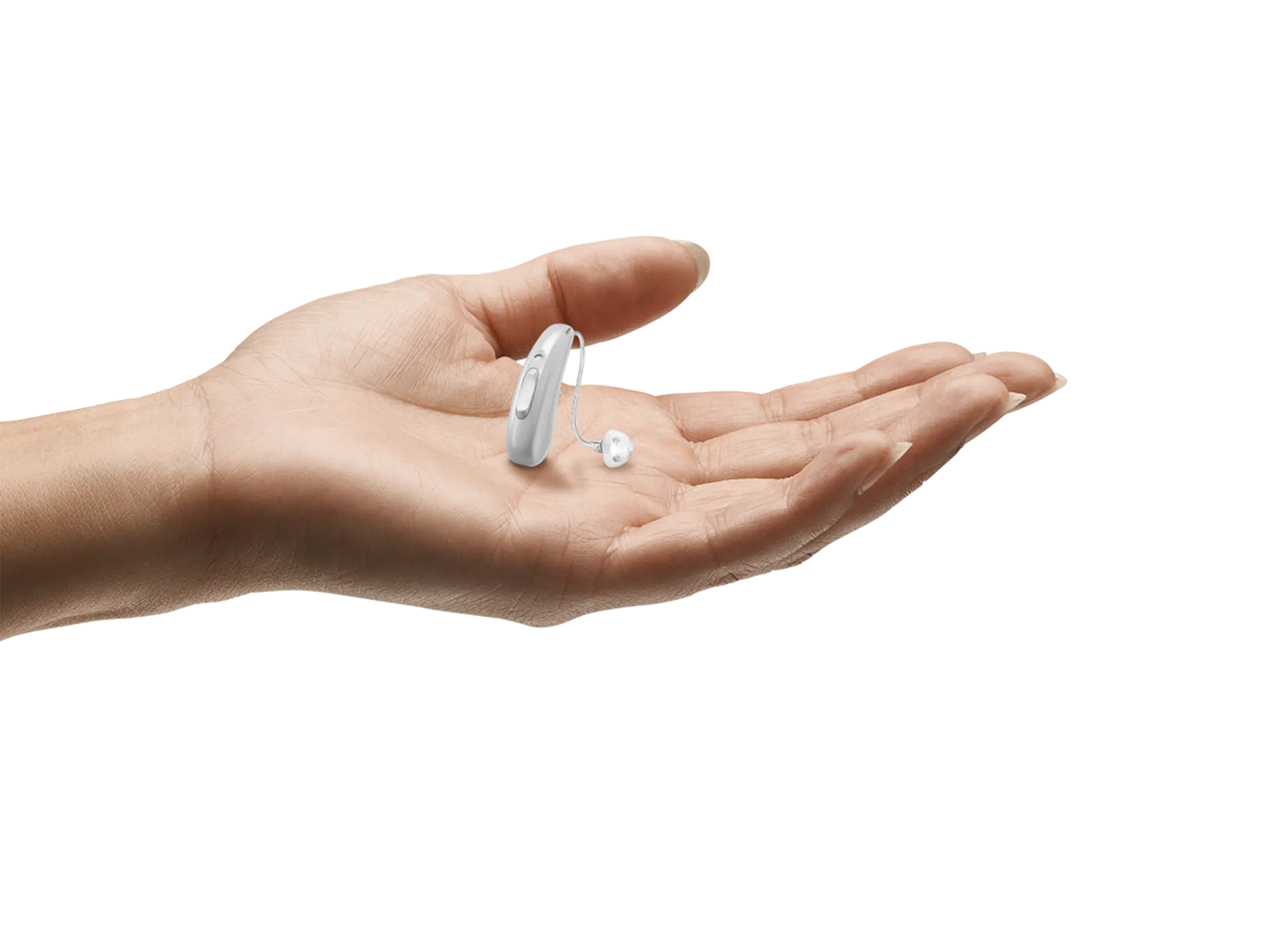
If you wear a hearing aid, buildup can also interfere with proper functioning of the device.

Earwax & hearing loss: FAQ
How is earwax removed at HearUSA?
If earwax buildup is affecting your hearing, a HearUSA hearing care professional will first examine your ears to determine whether earwax is the cause of your symptoms. If removal is appropriate, they'll use specialized tools and safe techniques to remove the excess earwax.
The procedure is typically quick, comfortable, and performed under direct visualization to minimize the risk of injury. If your hearing problems persist after the earwax is removed, your provider may recommend a comprehensive hearing evaluation to check for an underlying hearing condition.
Are Q-tips or cotton swabs bad for your ears?
While many people use cotton swabs to clean their ears, they're generally not recommended. Cotton swabs can push earwax deeper into the ear canal, increasing the risk of impaction, irritation, or even damage to the eardrum.
In most cases, your ears clean themselves naturally by moving earwax out of the ear canal through everyday jaw movements like talking and chewing. If you think you have excess earwax, it's safer to use over-the-counter ear drops or schedule a professional evaluation rather than inserting anything into your ear.
Can earwax make you deaf?
Does removing earwax improve hearing?
How can you tell if earwax is causing hearing loss?
Is hearing loss from earwax permanent?
How do you unclog earwax?