
Can Hearing Loss Be Treated?
Yes, many types of hearing loss can be treated or effectively managed. However, treatment depends on what is causing the hearing loss and how severe it is.
Some types of hearing loss may improve when the underlying cause is treated. For example, hearing problems caused by earwax buildup or certain middle-ear conditions may improve with appropriate medical care.
Sensorineural hearing loss, which results from damage to the inner ear or auditory nerve, is usually permanent. However, hearing aids can help many people with this type of hearing loss hear and understand speech more clearly. For severe or profound hearing loss, other options such as cochlear implants may be considered when hearing aids do not provide enough benefit.
Because hearing loss is different for everyone, there is no single treatment that works for every person. A hearing screening can identify the type and degree of hearing loss and help determine the appropriate next step.

Hearing Loss Treatment Options by Type and Cause
Sensorineural Hearing Loss Treatment
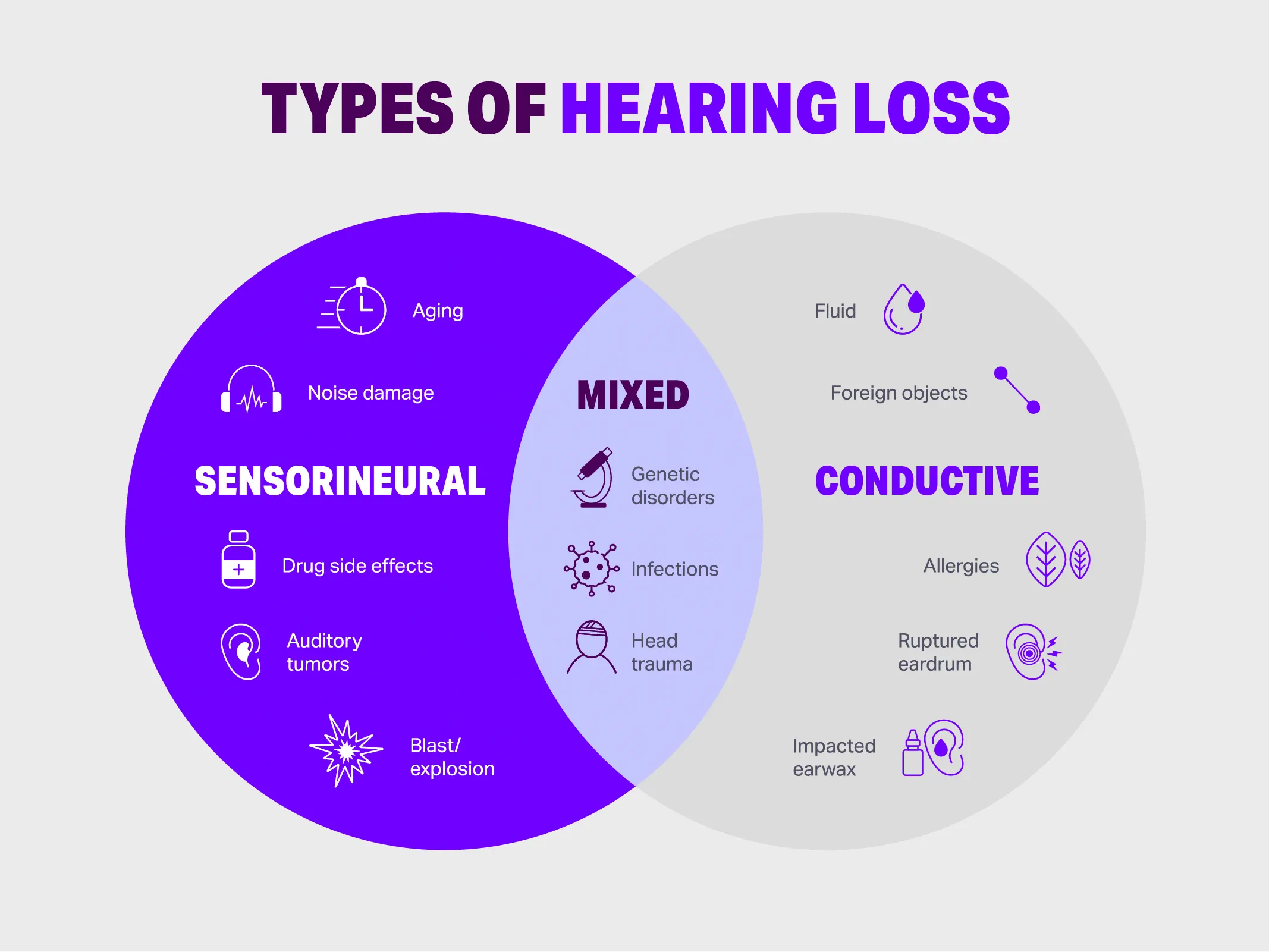
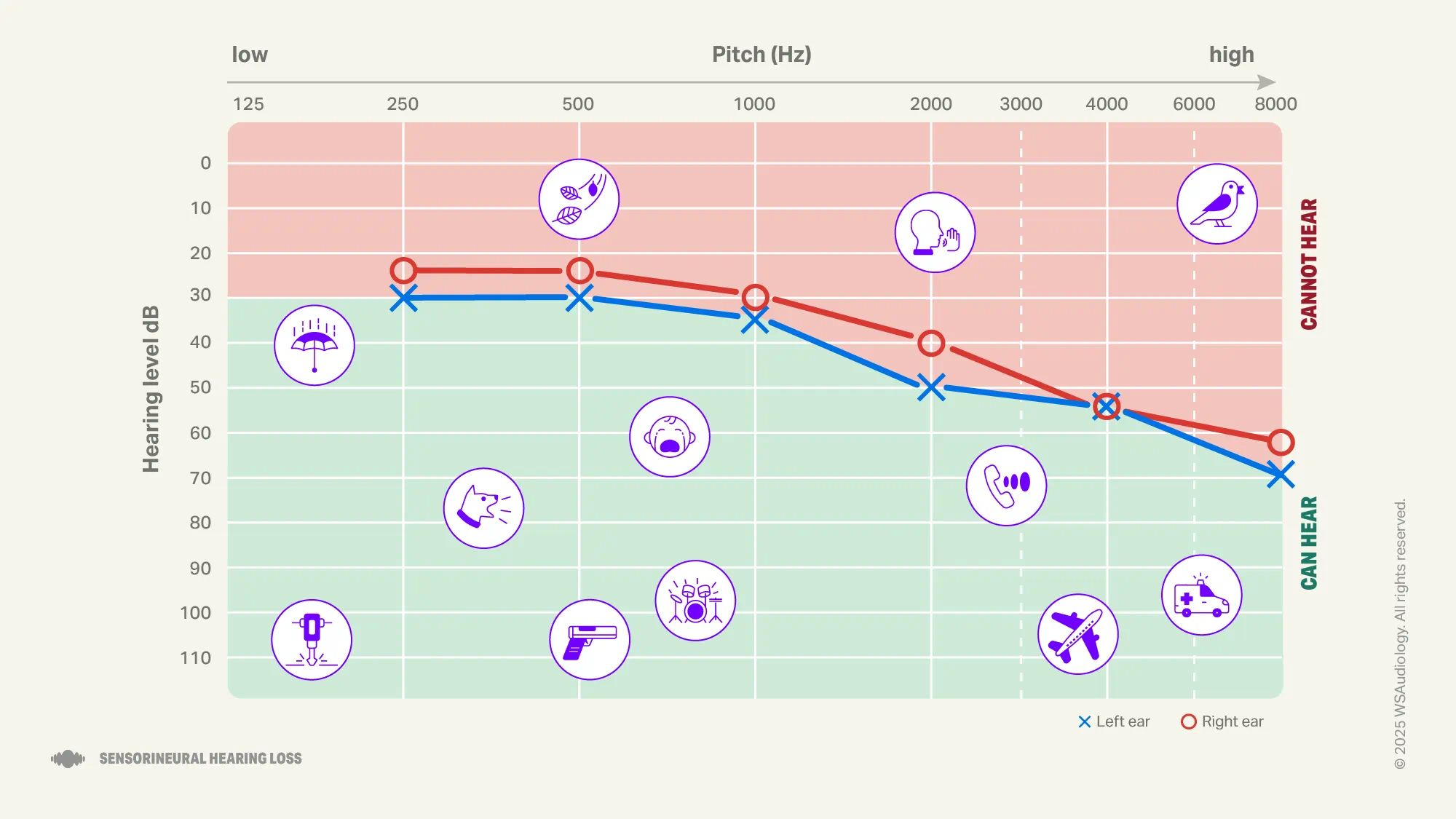
Sensorineural hearing loss is the most common type of permanent hearing loss. It occurs when the delicate sensory cells in the inner ear or the nerve pathways involved in hearing become damaged.
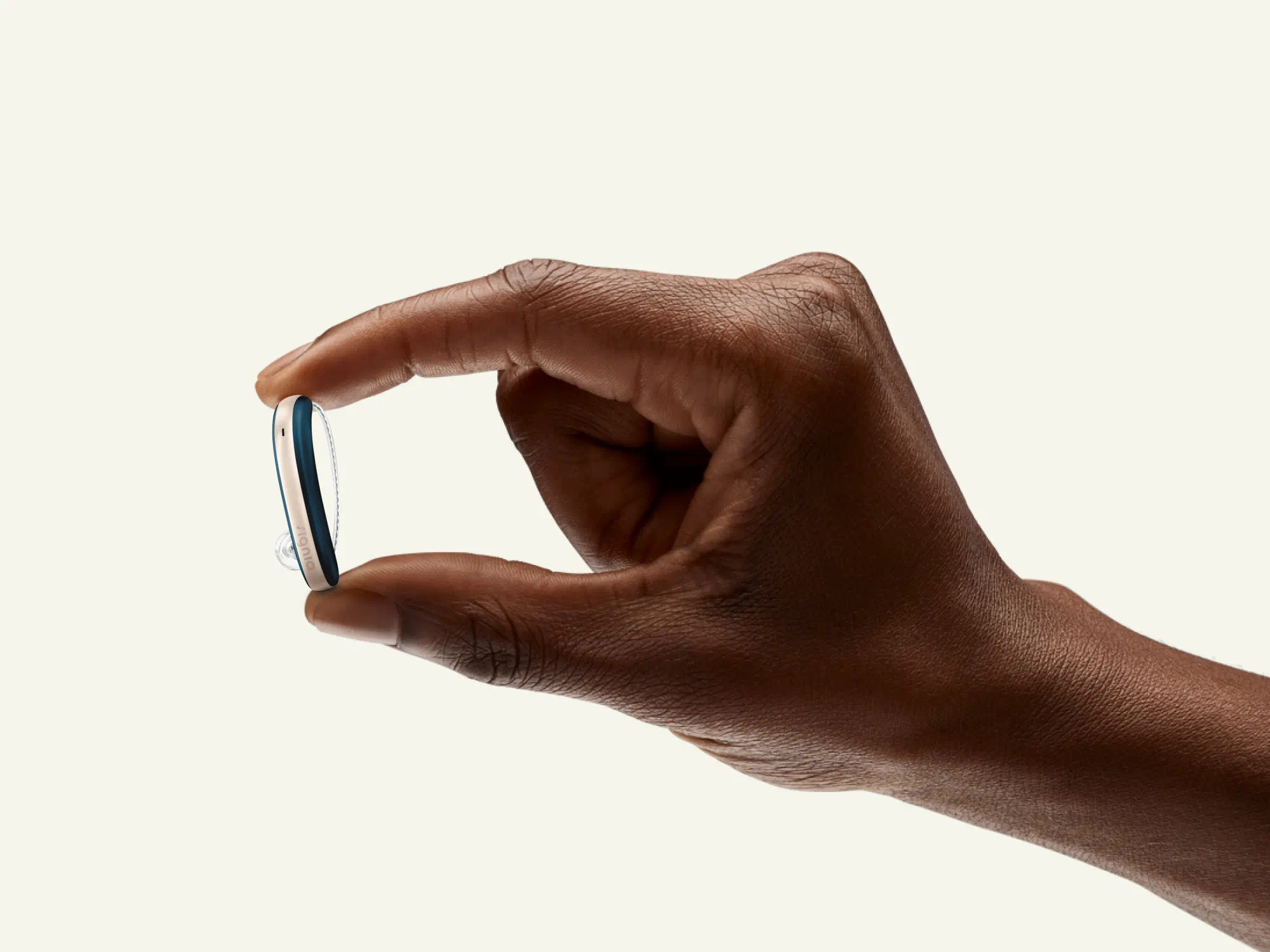
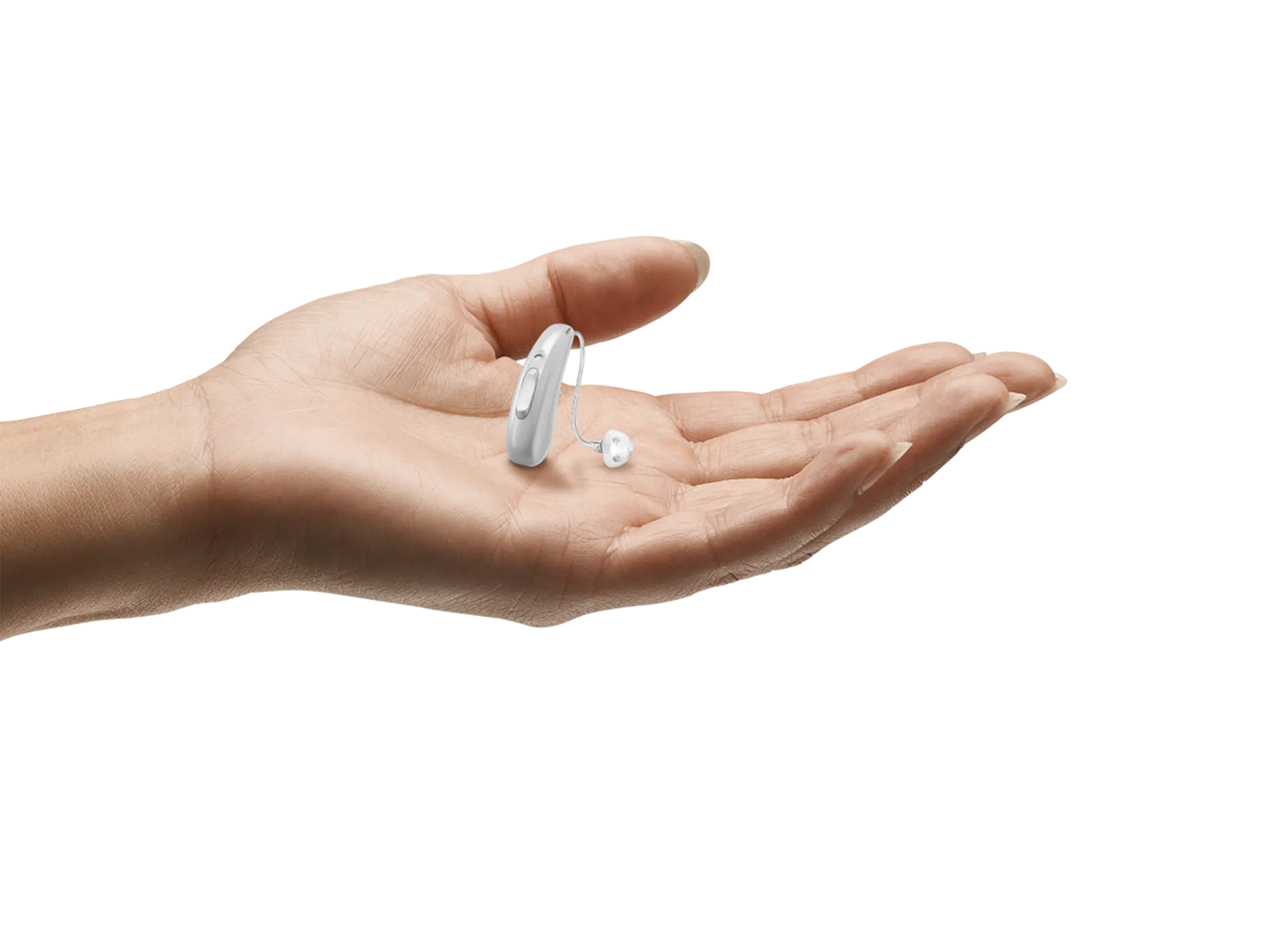
For many people, hearing aids are the primary treatment for sensorineural hearing loss. Modern hearing aids are programmed for your individual hearing needs and can make speech and other important sounds easier to hear.
If the hearing loss is severe or profound and hearing aids do not provide enough benefit, a hearing care or medical professional may recommend a screening for a cochlear implant.
Conductive Hearing Loss Treatment
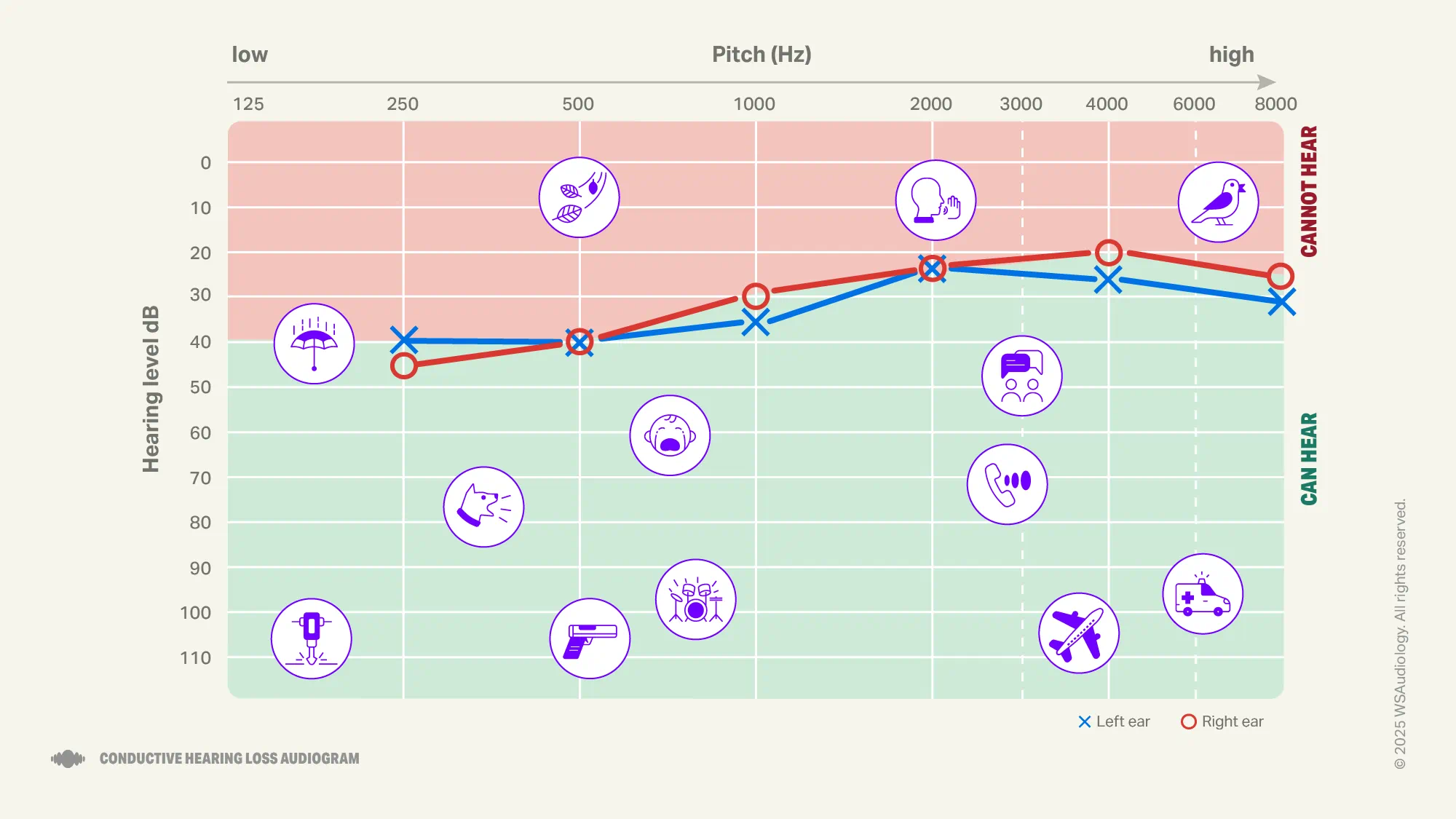
Conductive hearing loss occurs when sound cannot travel efficiently through the outer or middle ear. Causes can include earwax blockage, fluid in the middle ear, ear infections, problems with the eardrum or abnormalities of the middle-ear bones.
Depending on the cause, treatment may include:
- Professional earwax removal
- Medication or other treatment for an infection
- Medical or surgical treatment
- Hearing aids
- Bone-conduction hearing devices in appropriate cases
Find your nearest hearing center.
Mixed Hearing Loss Treatment
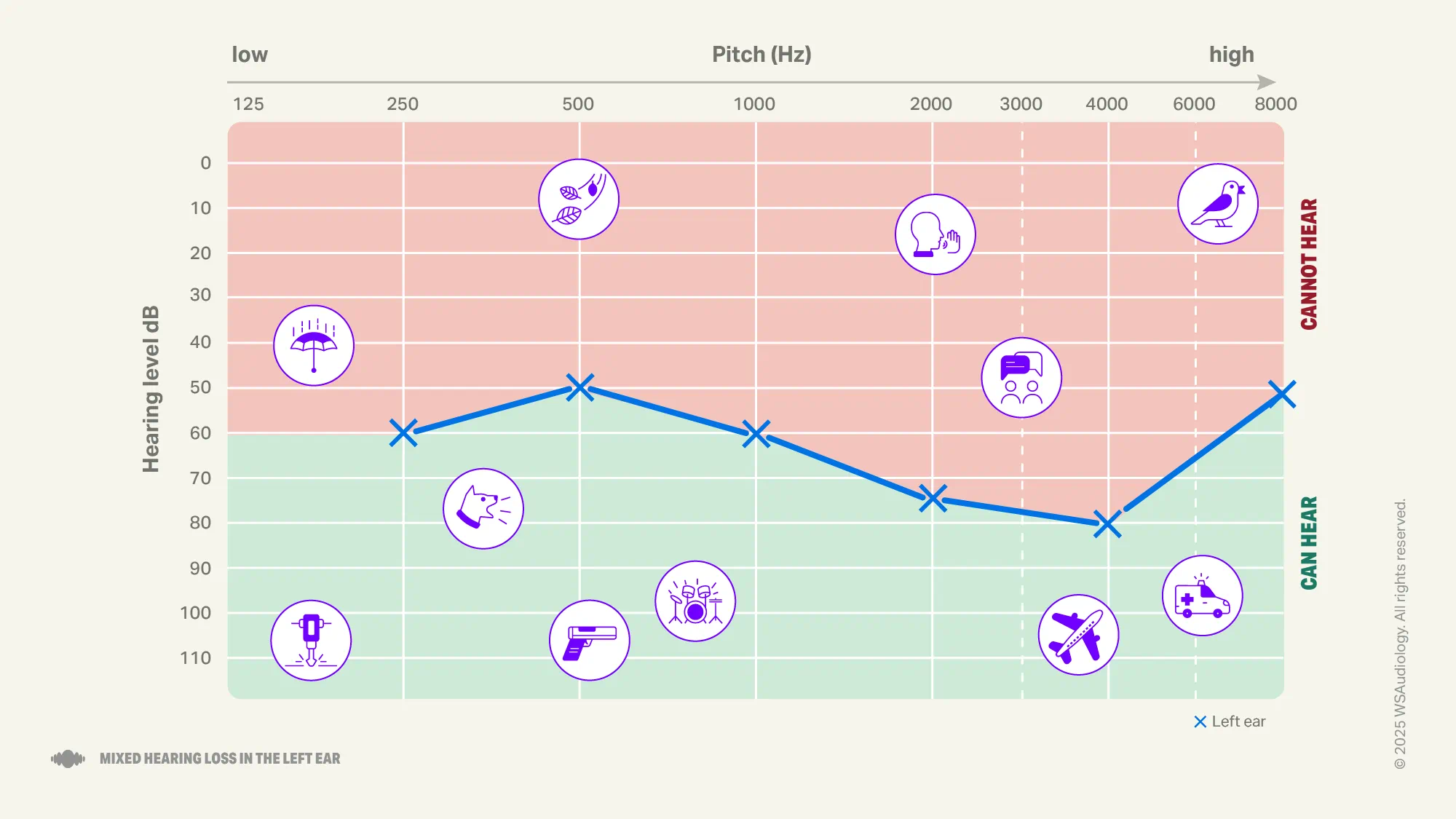
Mixed hearing loss is a combination of conductive and sensorineural hearing loss. This means there is a problem affecting the outer or middle ear as well as damage within the inner ear or hearing pathway.
Treatment may therefore involve more than one approach. A medical professional may first address the conductive component when possible. Hearing aids may then be recommended to help manage any remaining hearing loss.
Severe or Profound Hearing Loss Treatment
People with severe or profound hearing loss may have difficulty understanding speech even when sounds are loud.
Powerful prescription hearing aids may provide significant benefit for some people. When hearing aids are not enough, a hearing care professional may recommend further screening for other options, such as cochlear implants or bone-conduction hearing devices, depending on the type and cause of the hearing loss.
Treatment for Hearing Loss in One Ear
Treatment for hearing loss in one ear depends on how much hearing remains in the affected ear and what caused the loss.
Depending on the individual, options may include traditional hearing aids, CROS hearing aids or bone-conduction devices. A hearing screening can help determine which approach may provide the greatest benefit.
Sudden Hearing Loss
A sudden decrease in hearing should be treated as a medical concern rather than something to wait and monitor.
Sudden sensorineural hearing loss can develop rapidly, sometimes when a person wakes up or over the course of a few days. Prompt hearing screening is important because early treatment may improve the chance of recovering some hearing.
If you experience sudden hearing loss, particularly in one ear, contact a hearing care professional promptly.

How Hearing Aids Help Treat Hearing Loss
Hearing aids are one of the most common ways to manage permanent hearing loss. They do not cure hearing loss or restore normal hearing. Instead, they make sounds easier to hear based on your individual hearing needs.
With properly fitted hearing aids, you may find it easier to:

Follow conversations with family and friends

Understand speech in different listening environments

Hear important everyday sounds

Participate more confidently in social situations

Enjoy TV, music and phone conversations

Think hearing aids might help?
What to Expect From a Hearing Screening
A hearing screening is the first step toward understanding which hearing loss treatment may be right for you.
Your Hearing Care Professional will discuss your hearing concerns, health and hearing history, and the situations where you notice the most difficulty. Your ears and hearing will then be evaluated to better understand the type and degree of hearing loss you may have.
Your results will be explained to you, and you'll have an opportunity to ask questions and discuss your options.
If hearing aids are appropriate, your Hearing Care Professional can recommend solutions based on your hearing needs, lifestyle and preferences. If your hearing loss or symptoms require medical screening or another type of treatment, you may be referred to an appropriate medical specialist.
The goal is simple: understand what is affecting your hearing and determine the best next step.
FAQs
Can hearing loss be reversed?
It depends on the cause. Some conductive hearing loss may be temporary or reversible when the underlying problem, such as earwax buildup or certain middle-ear conditions, is treated.
Sensorineural hearing loss caused by damage to the inner ear is generally permanent. While it usually cannot be reversed, hearing aids and other hearing technologies can help people manage the hearing loss and hear more effectively.
What is the best treatment for hearing loss?
There is no single best hearing loss treatment for everyone. The right treatment depends on the type, cause and severity of your hearing loss.
Hearing aids are commonly used for permanent sensorineural hearing loss. Conductive hearing loss may require medical treatment, surgery, hearing devices or a combination of approaches. For some people with severe or profound hearing loss, cochlear implants or other implantable devices may be considered.
The best place to start is with a hearing sreening.
Do hearing aids work for every type of hearing loss?
No. Hearing aids can help many people with hearing loss, particularly those with sensorineural hearing loss, but they are not appropriate for every hearing condition.
Some causes of hearing loss require medical treatment, while people with severe or profound hearing loss may need other solutions if hearing aids do not provide enough benefit.
A Hearing Care Professional can check your hearing and help determine whether hearing aids are appropriate for you.