Understanding sensorineural hearing loss
What is sensorineural hearing loss?
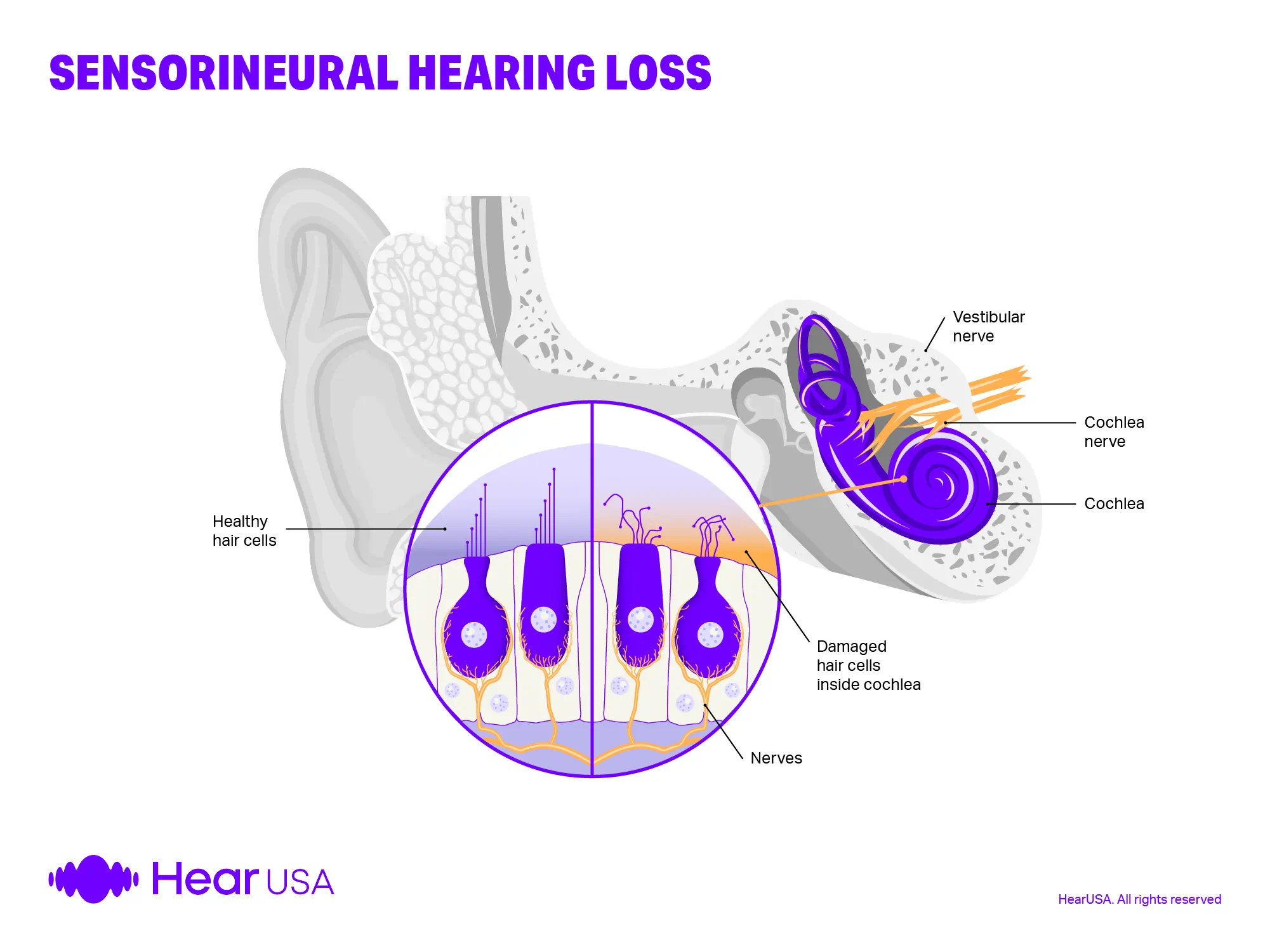
Ever wondered why sounds sometimes feel unclear or muffled? Sensorineural hearing loss (SNHL) is a form of hearing loss resulting from damage to the inner ear or auditory nerve. Generally caused by the deterioration of tiny hair cells in the inner ear, sensorineural hearing loss is the most common type of permanent hearing loss.
While it may not be a life-threatening condition, those living with sensorineural deafness or sensorineural hearing loss can experience both physical and psychological effects. From imbalance and tinnitus to social withdrawal and even cognitive changes, recognizing the signs can help you seek the right treatment options and improve your hearing health.
Schedule an appointment with one of our hearing centers to get your hearing tested for sensorineural hearing loss.

Why SNHL occurs
What is the cause of sensorineural hearing loss?
The cause of sensorineural hearing loss isn’t always the same. The reasons for sensorineural hearing loss can vary, with both genetic and environmental factors playing a role. It may occur in one or both ears depending on the cause. This type of hearing loss is linked to a problem in the inner ear, which can result from a variety of factors.
Some of the most common causes of sensorineural hearing loss are age-related changes, damaged inner ear hair cells, and noise exposure. However, other examples of sensorineural hearing loss include cases linked to head trauma, autoimmune issues, benign tumors, Ménière’s disease, medications, and inner ear malformations.
Recognizing signs and symptoms
Spot the symptoms of sensorineural hearing loss
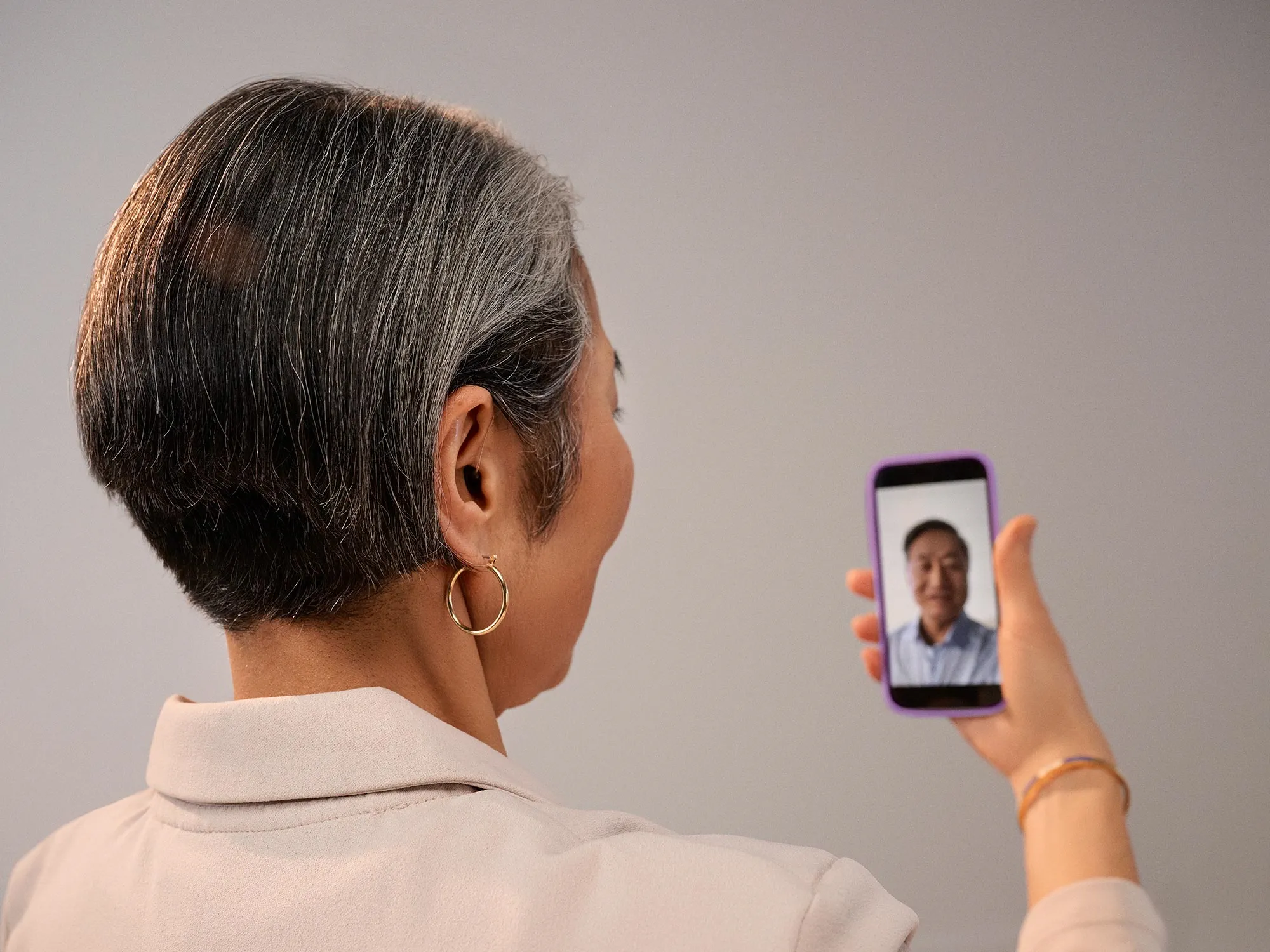
If you think you may be experiencing symptoms of sensorineural hearing loss (SNHL), there are some tell-tale signs you can look out for. These include:
- Trouble hearing with background noise present, such as at a restaurant or party, passing by roadworks, or music playing
- Ringing in the ears (tinnitus)
- Muffled hearing, feeling of fullness in the ear, or the impression that people are mumbling when talking to you
- Difficulty understanding speech, especially high-pitched noises, such as birds chirping, children speaking or a microwave beeping
- Dizziness and balance issues
Symptoms of SNHL can occur in one ear (unilateral), both ears (bilateral) or can occur in both ears but be worse in one (asymmetrical).
If you believe you’re experiencing sensorineural hearing loss, a comprehensive hearing screening can establish the extent of your hearing loss and help you find the treatment path that's right for you. Our online hearing screening is a great first step in assessing your current hearing abilities.

Understanding your hearing screening results
Screening test for sensorineural hearing loss
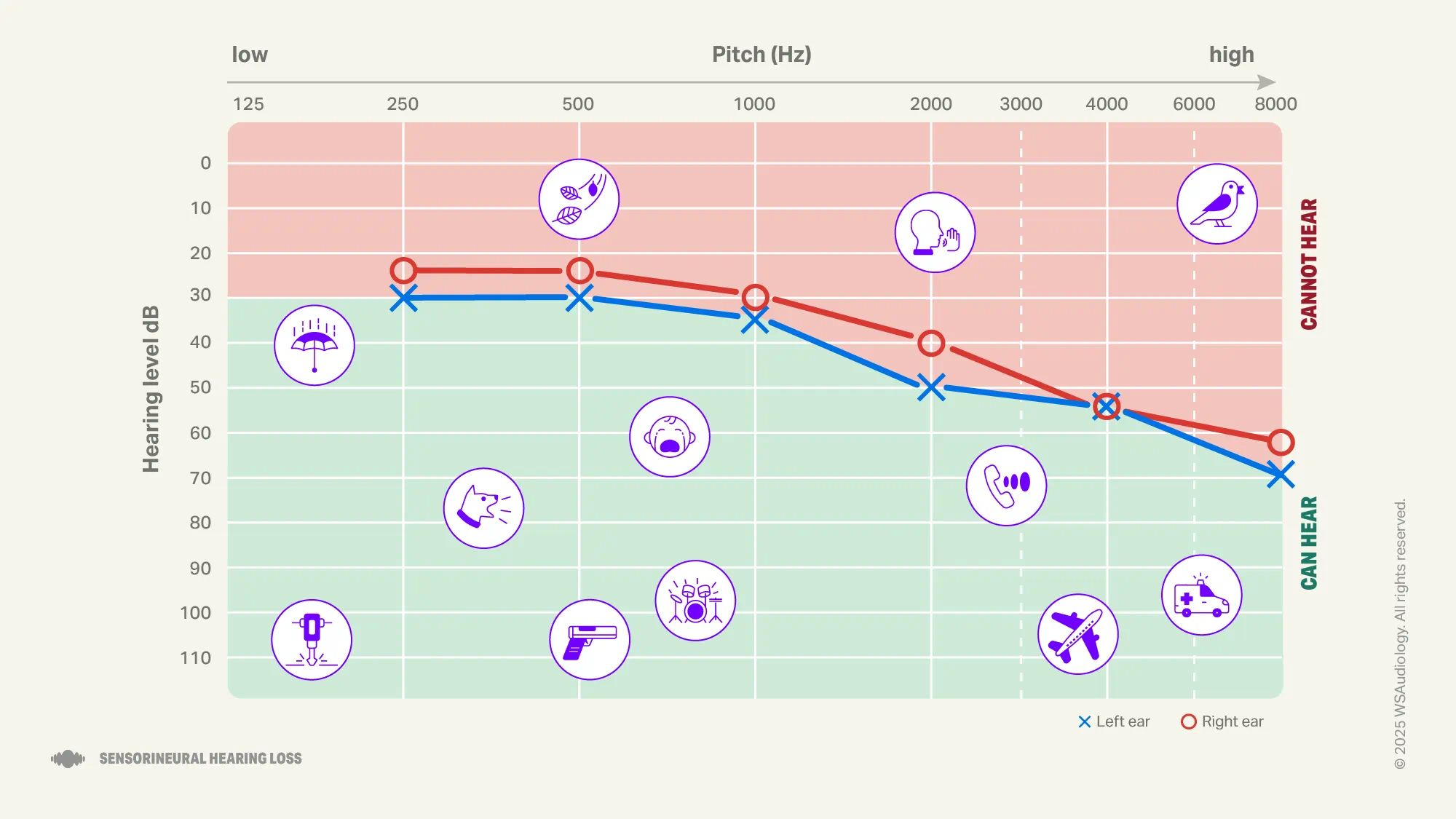
A screening test for sensorineural hearing loss presents tones at different pitches (frequencies) and volumes to determine whether the hearing levels are within normal range, or if further testing is necessary to investigate a possible hearing loss.
If the screening results reflect ‘normal hearing’ then an annual screening is recommended to monitor hearing changes. If the screening results in a ‘fail’ then it’s important to follow up with a full diagnostic test to determine the hearing status.
It’s important to note that a screening is a very basic test to guide a person to seek the best treatment options, such as hearing aids.
Although most screening tools have been tested, it does not replace a professional consultation and may miss underlying medical concerns.
Prevention of sensorineural hearing loss
Everyday hearing health tips for prevention
When it comes to protecting your hearing, there are two key steps you can take to lower your risk of sensorineural hearing loss.
- Reduce exposure to loud noise
Whether you’re at a concert, using power tools, or cutting the grass, loud noise can damage inner ear hair cells and result in sensorineural hearing loss. Good habits like keeping your music volume at 60 per cent or less and using ear protection can help safeguard your hearing. So, it's a good idea to use earplugs or noise-cancelling headphones in loud environments. It’s also important to take regular breaks from sound exposure to avoid overstimulation of the auditory system.
- Limit smoking
Nicotine in cigarettes and other tobacco products can harm the delicate hair cells inside the inner ear, increasing the risk of sensorineural hearing loss. Even exposure to secondhand smoke may contribute to long-term hearing damage.
- Avoid ototoxic medications
Certain medications, such as some antibiotics and cancer drugs, can be toxic to the inner ear. It's important to talk to your doctor about any medications you're taking and, if possible, find alternatives that won't harm your hearing.
- Schedule regular hearing check-ups
Since SNHL occurs gradually, most people don’t notice it right away. Annual screenings with a Hearing Care Professional can help catch early changes in hearing and can encourage preventative options for treatment.

Treating sensorineural deafness
Treatment options for sensorineural hearing loss
Treating sensorineural hearing loss can be a little tricky, as it’s caused by damage to the inner ear and generally permanent. But that doesn’t mean you’re out of options. With the right support, you can improve how you hear and enhance your quality of life.
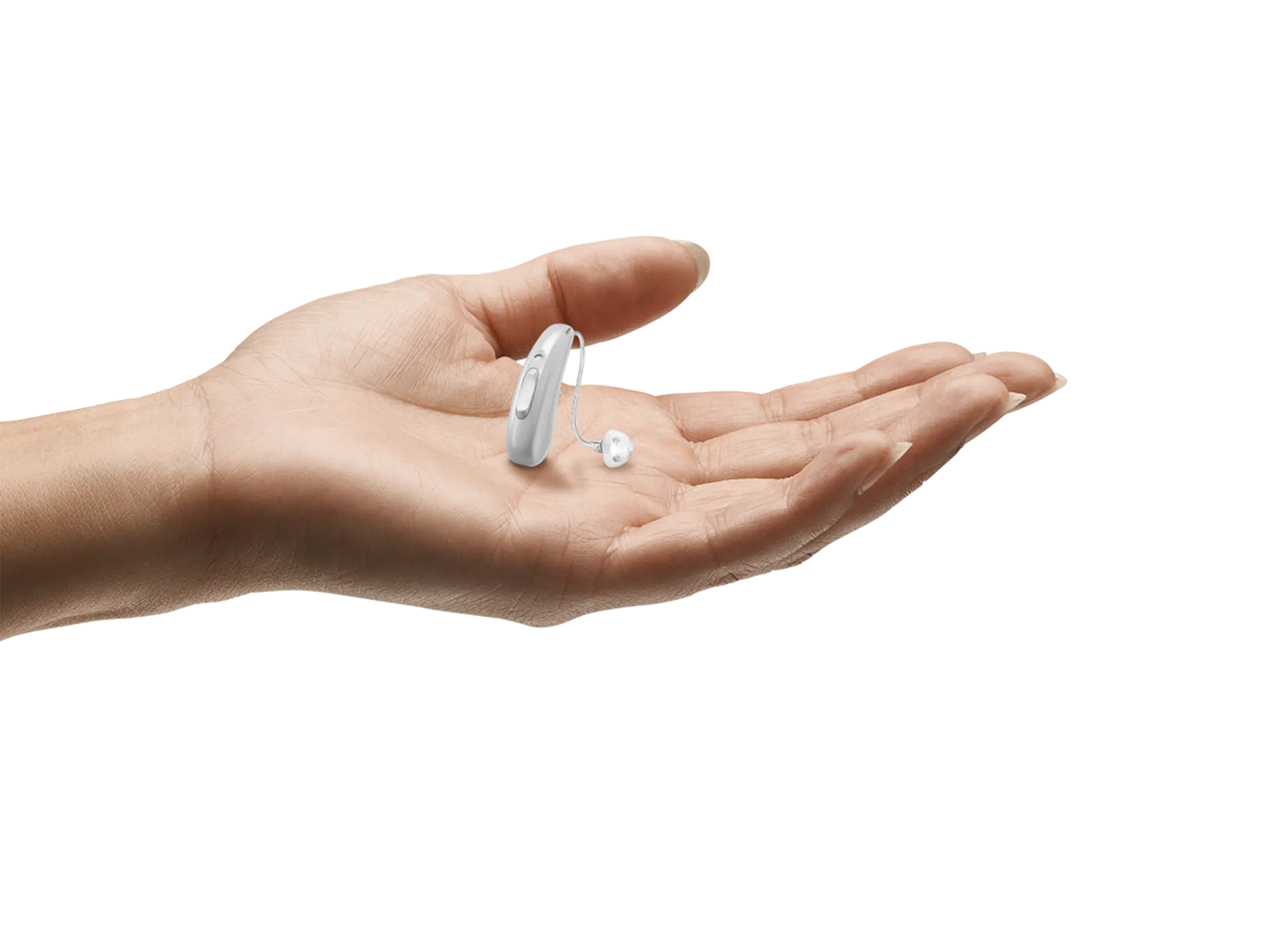
Hearing aids for sensorineural hearing loss are a popular treatment option and can help amplify sounds, making it easier for you to hear. There are different types of hearing aids available, such as in-the-ear and behind-the-ear models, and your Hearing Care Professional can help you choose the best one for your needs.
Healthy habits also play a role. Maintaining an active lifestyle, avoiding smoking and protecting your ears from noise can help reduce further decline and improve your overall health. Since sensorineural hearing loss can progress over time, regular hearing tests give you the chance to monitor your hearing health and adjust your treatment options accordingly.
What you should know: FAQ about Sensorineural Hearing Loss
What is the cause of sensorineural hearing loss?
Is sensorineural hearing loss permanent?
What is sudden sensorineural hearing loss?
Do you need a hearing aid for sensorineural hearing loss?
Is sensorineural hearing loss genetic?
What are the best hearing aids for sensorineural hearing loss?
How is sensorineural hearing loss diagnosed?
How long does sensorineural hearing loss last?



Types of hearing loss
Explore more options